

Annual Letter from Founder Rick Morro
2020 was a year of significant progress, change and hope for MGRC. Our girls have overcome many challenges in their lives and education. They are doing remarkably well. Truly a combined effort between them, their teachers, house mothers and tutors. We believe this is their best path for a brighter future.
We solidified our Tanzanian organization as an independent, fully registered, tax exempt Tanzanian International NGO with an international board. By adding the appropriate structure and staff, we are now a licensed Children’s Home. This allows us to partner with the local community and government. I also hired an experienced on-site manager (Elisante Loi Laizere) who will manage the local staff, freeing myself up to work on future strategic plans. Our U.S. organization remains a 501(c)(3) nonprofit organization.
Our original facility and location had significant short comings. The building was too small for 58 girls, the land did not support our sustainable food projects, and the owner of the site would not give us the flexibility we needed to operate in a safe and secure way.
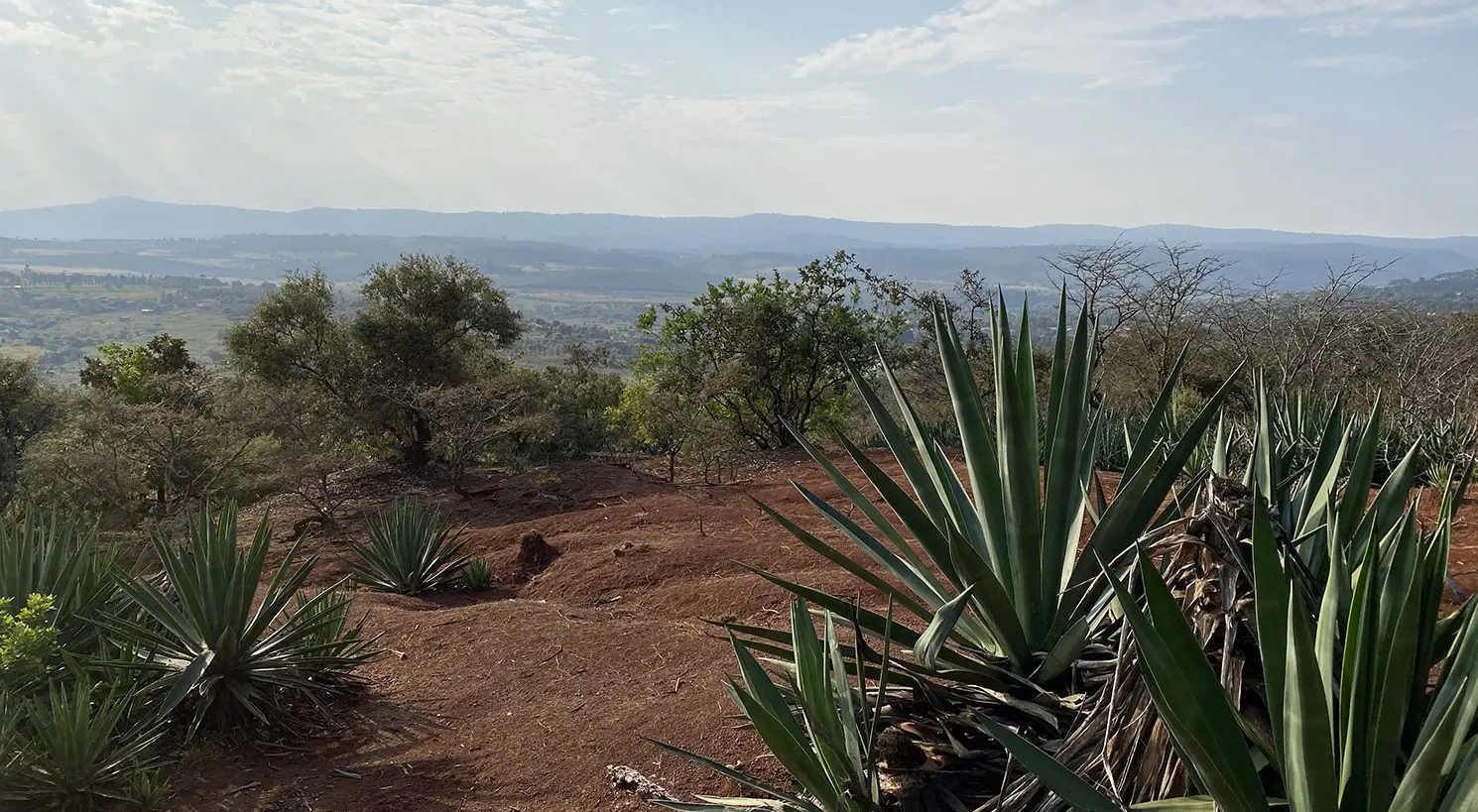
Our future plans are to build a sustainable ecoVillage on our own land. Our first step was to move to a rental facility in Karatu that provides our girls a secure home close to where we will permanently locate. We have also purchased 15 acres in Karatu to build new facilities that align with our mission and sustainable vision.
To help us create a masterplan for our MGRC ecoVillage, we sought assistance from Architects Without Frontiers, who setup a pro bono partnership with globally renowned architectural firm in Australia (ClarkHopkinsClark). They designed the sustainable MGRC ecoVillage masterplan to include homes for approximately 100 girls, a pre-school, vocational training area, dining hall, volunteer living quarters, and ecoFarm. The plan also included a new ecoLodge that will provide sustainable funding for MGRC.
I can’t put into words how thankful I am for all the hard work from our staff, volunteers, and generous sponsors and donors, who are making our vision into reality.
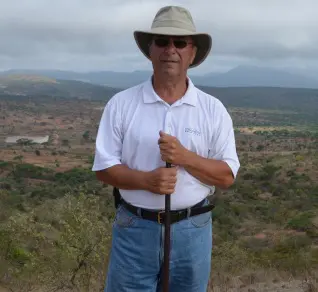
Rick Morro, Founder
Maasai Girls Rescue Center
Who We Are
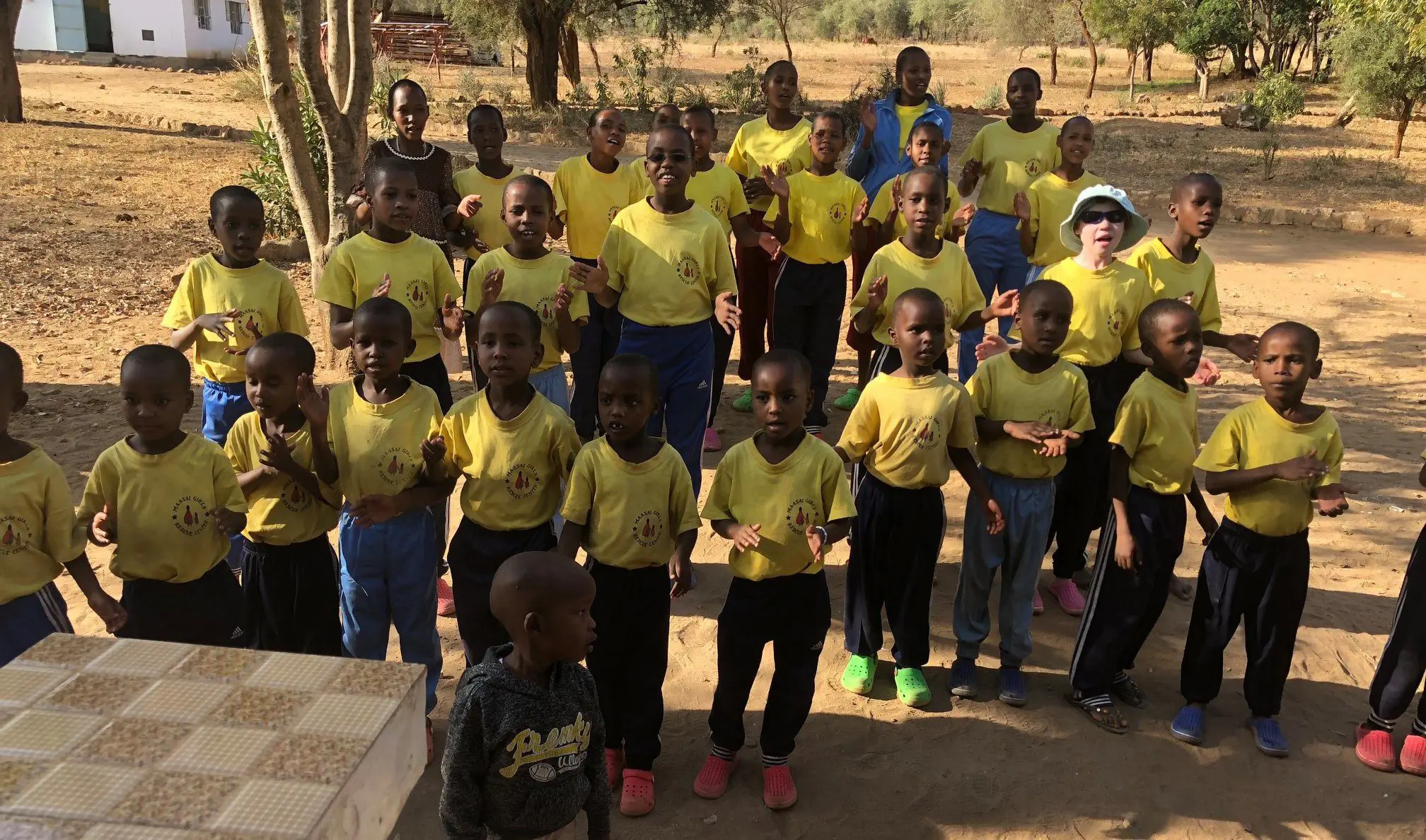
Our Mission is to adopt young and at-risk Maasai girls, educate them, and teach them life sustaining skills so they can reach their full potential, and improve their community.
Our work offers Maasai girls and the Maasai village a path to break the debilitating cycle of child-mortality, extreme poverty, FGM, and abuses of child-marriage. We believe providing each girl a safe, nurturing environment, medical care, and education/vocation, including individual life skills is the best path for personal development, which is the cornerstone of our work at the rescue center.
Our Vision, to provide…
- A safe place to live,for girls who are forced into early marriage, or are running away from forced FGM.
- Counseling for the girls who have been through situations of extreme abuse, who are often suffering from severe trauma.
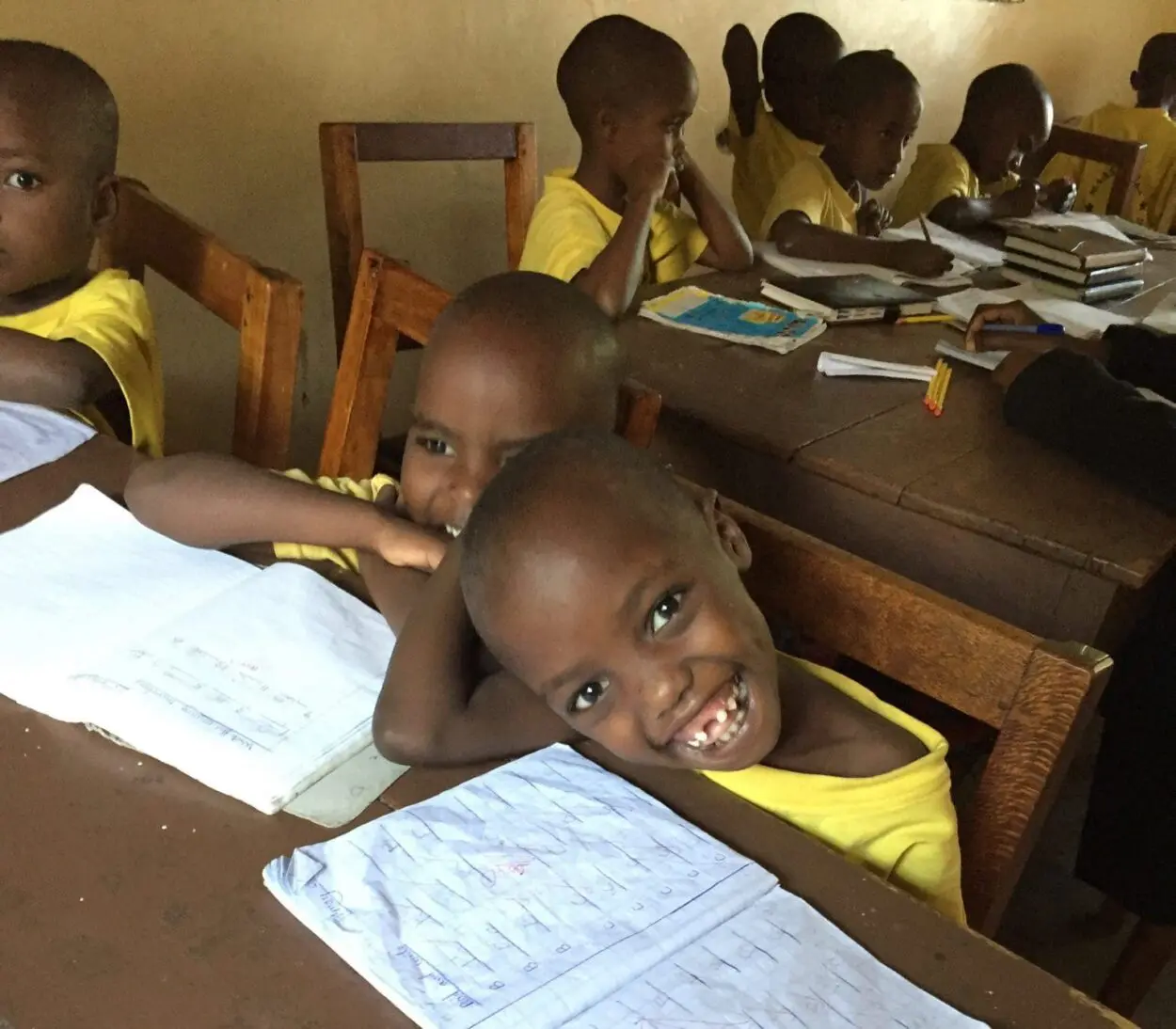
- Educational opportunities for Maasai girls to develop a vision for their futures that includes a productive and full life.
- Mentoring in assertiveness, life skills, and study habits.
- Tutoring and after school classes for girls who are often behind in their education, due to lack of schooling prior to being rescued.
- Business and technical training for girls who do not excel in academics, in order for them to become self-sustaining.
- A family environment for the rescued girls, until they achieve their goals.
Year in Review
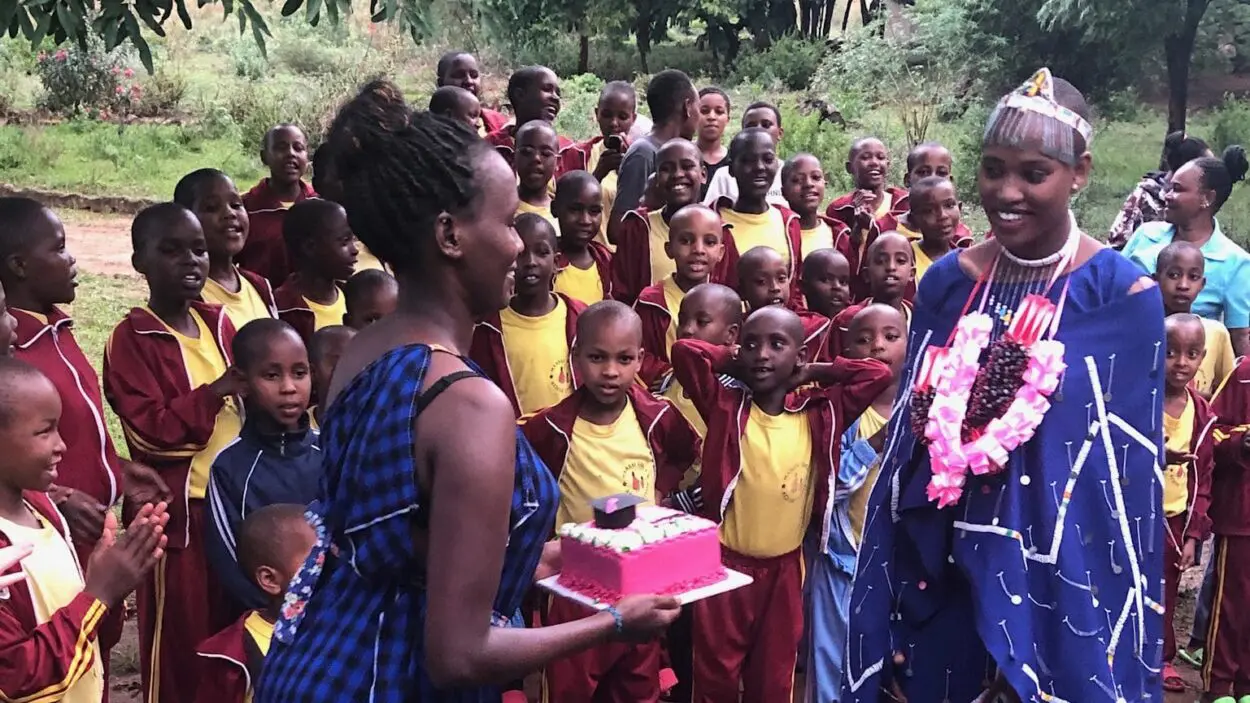
This year we received 10 girls from Social Welfare. The girls came to us from a variety of challenging backgrounds. Several of them never attended school, and a few only spoke Maasai. Our first task was to teach them Swahili, so we could enroll them in primary school.
At the Center, we currently have 58 rescued girls. We also have 14 Tanzanian employees, plus the founder (volunteer) caring for the girls in Tanzania, along with 6 full time volunteers in the USA.
Status of Adoptees
MGRC adopts the girls residing at the center.
Background of the Girls
Age & Number of Girls
Health Concerns on Arrival
* Eczema, parasites.
** Trachoma /leads to blindness, childhood tuberculosis, fluorosis (bent legs), club feet, severe vision problems.
Education
75% of our girls are in the top 25% of their class
- 1 student passed the Standard 7 test to attend Secondary school.
- 9 girls passed the National Standard 4 test for Primary school.
We started 2020 with 6 students in preschool, 24 in primary school, and 1 in secondary school. We finished the school year with 4 in preschool, 45 in primary, 1 in secondary, and 8 girls who will be starting school in January 2021.
Health
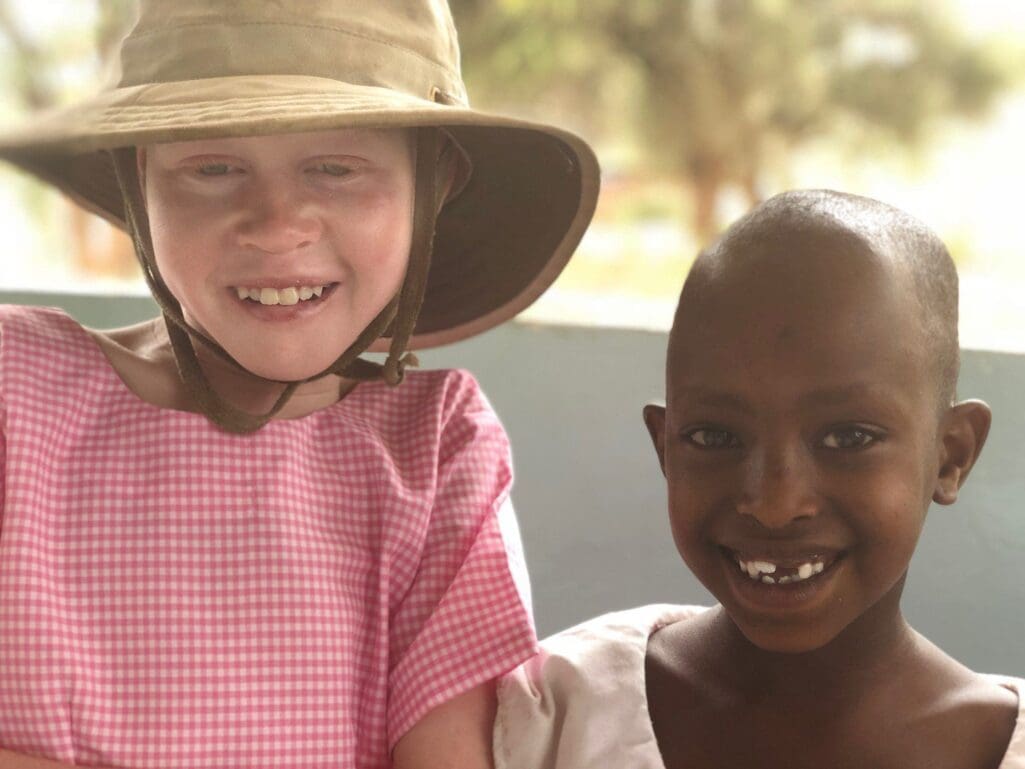
The girls are healthy, and remained healthy during the global pandemic. Each time a girl joins us, we take her for a full medical exam. Several of the girls have had issues with their eyes, and several have had severe parasites. Last year we took in Upendo, an albino girl. Her albinism affected her vision. After visiting with an eye doctor, it was determined that she is legally blind. She is in school, doing very well and now learning Braille. Another girl, Bahati, also had severe vision problems. After being seen by several eye specialists, and receiving a few different treatments, we are happy to report that her vision has been restored.
Sustainability
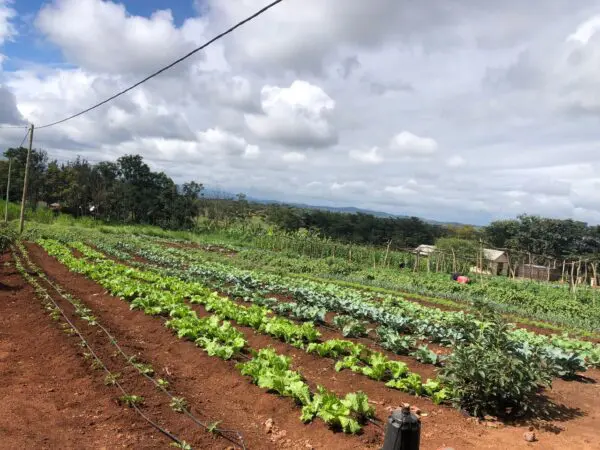
Our current sustainable food projects that have been providing daily nourishment for the girls will continue into 2021. We have 6 zero-grazing dairy cows, layer chickens, and a vegetable garden. The dairy cows meet the daily nutritional requirements for 50+ growing girls. The layer chickens that were gifted to us as chicks, are now grown and provide enough eggs for the girls, twice a week.
One of our ongoing challenges is climate. With limited access to water, we focused our gardening efforts during the 2-months of rainy season. The girls enjoyed learning how to farm and how to grow a garden in tough conditions. In Karatu, it is much greener and has a longer growing season. We look forward to expanding our garden on our new land.
The goat farm project was not as successful as we hoped. Some of the herd was afflicted by illness, many were unable to reproduce enough, and we lost several on a regular basis to predators. We decided to sell the goats and purchase more chickens. For 2021, we intend to expand our dairy cow herd, add more layer chickens, and build an aquaponics farm system to better handle drought conditions.
Financials
January 2020 – December 2020
Expenses
Because the Founder, President, Board of Directors, Angel Donors, and Fundraising team members are all unpaid volunteers, our charity management expenses are zero. All expenses below are Tanzanian expenses used for the direct care of the girls.
Expenses by Month ($ USD)
Expenses by Expense Category (%)
Income
Annual Donations
Donations by Donation Type
*Capital Project was to pay for land where we will build our ecoVillage
Updates
MGRC Relocation
January 2021: 52 girls. 14 adults, 6 cows. and cargo of the Maasai Girls Rescue Center made their way over rutted, muddy roads and steep mountain passes on a 7-hour journey from our old home in Longido to our new home in Karatu.
February 2021: MGRC girls were enrolled in local schools. We received 3 new girls from Social Welfare, and reunited 3 girls with their families.
February – August 2021: We broke ground and completed the MGRC ecoFarm project.
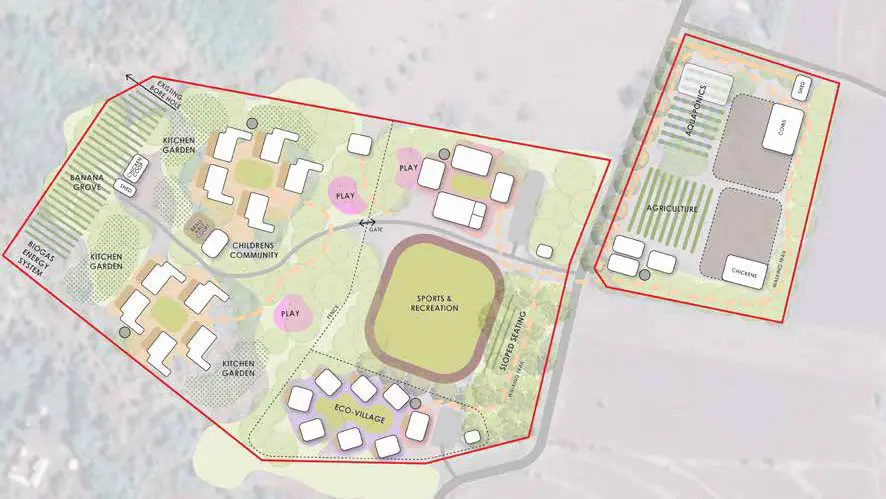
MGRC ecoVillage Project
PHASE 1: Funded. Acquired 15 acres of land in Karatu, Tanzania, built access roads, and fully-operational ecoFarm with bio-gas fuel system, hydroponic fodder system, gardens, and livestock.
PHASE 2: Raising Funds. Construct ecoVillage property fencing for 12 acres, a security gate, night watchman shelter, multi-purpose hall, main kitchen, and the girls’ ecoHomes (10).
PHASE 3: Raising Funds. Build the ecoLodges (4), pre-school, vocational training center, sports field and running track, and administration buildings.
Thank you
2020 was a year full of change, growth, joy, challenges, and positive impacts. We’re well on our way to implementing our vision on developing our girls and creating a sustainable future. We have purchased our own land to build a sustainable ecoVillage. It will enable us to increase the number of girls to 100, and expand our sustainability projects to cover more of our operating costs.
Each day, I realize how blessed we are to have such caring and dedicated staff, our many selfless volunteers, and a support network of generous donors.
What brings us all together is our shared love for our creative, intelligent, fun-loving courageous, and wonderful girls.
As we reflect on 2020, we look forward to 2021 and improving the lives of the girls and members of our new community in the Karatu District.