
Our Stories of Empowerment Blog
about our blog
Maasai Girls Education & Sustainable Community Development
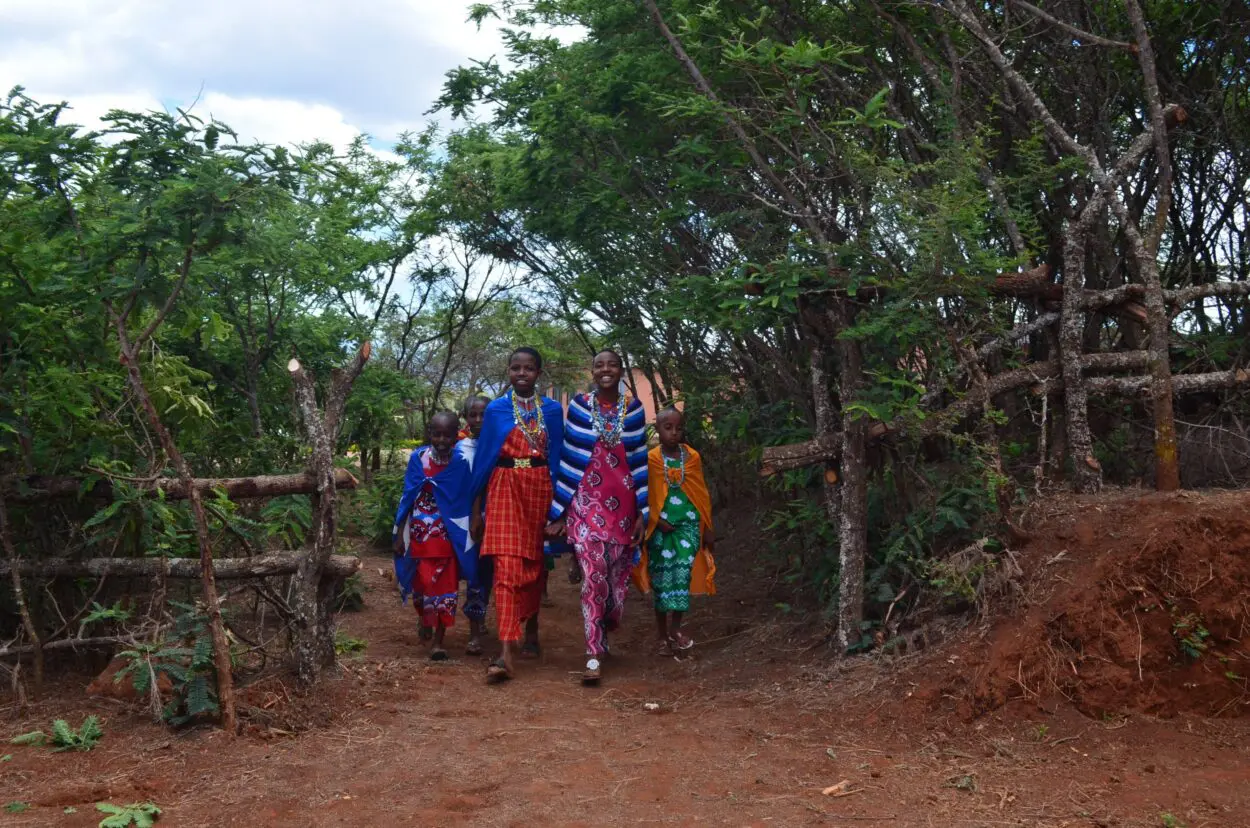
Connect with our Maasai girls community through powerful stories of empowerment—real journeys of education, cultural preservation, and sustainable development. Join us on a transformative path as we share authentic voices from Tanzania, celebrating tradition while embracing positive change for a brighter future.
Discover how education empowers young Maasai women, how communities blend heritage with innovation, and how sustainable practices foster long-term impact.
Each story is a reflection of hope, resilience, and the strength of community-driven change.
Featured Post
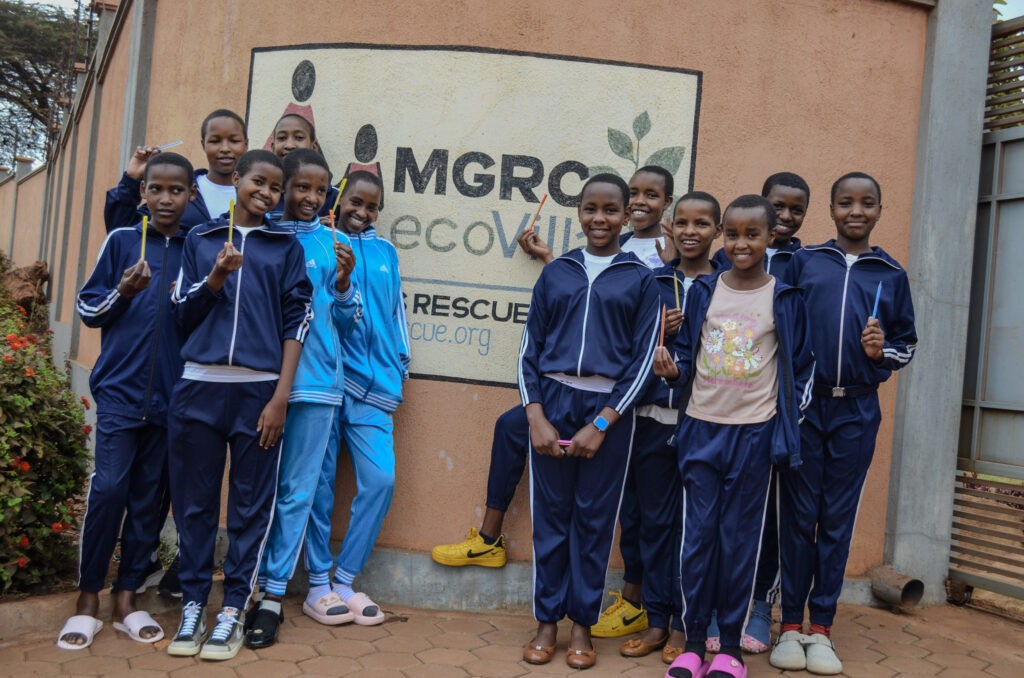
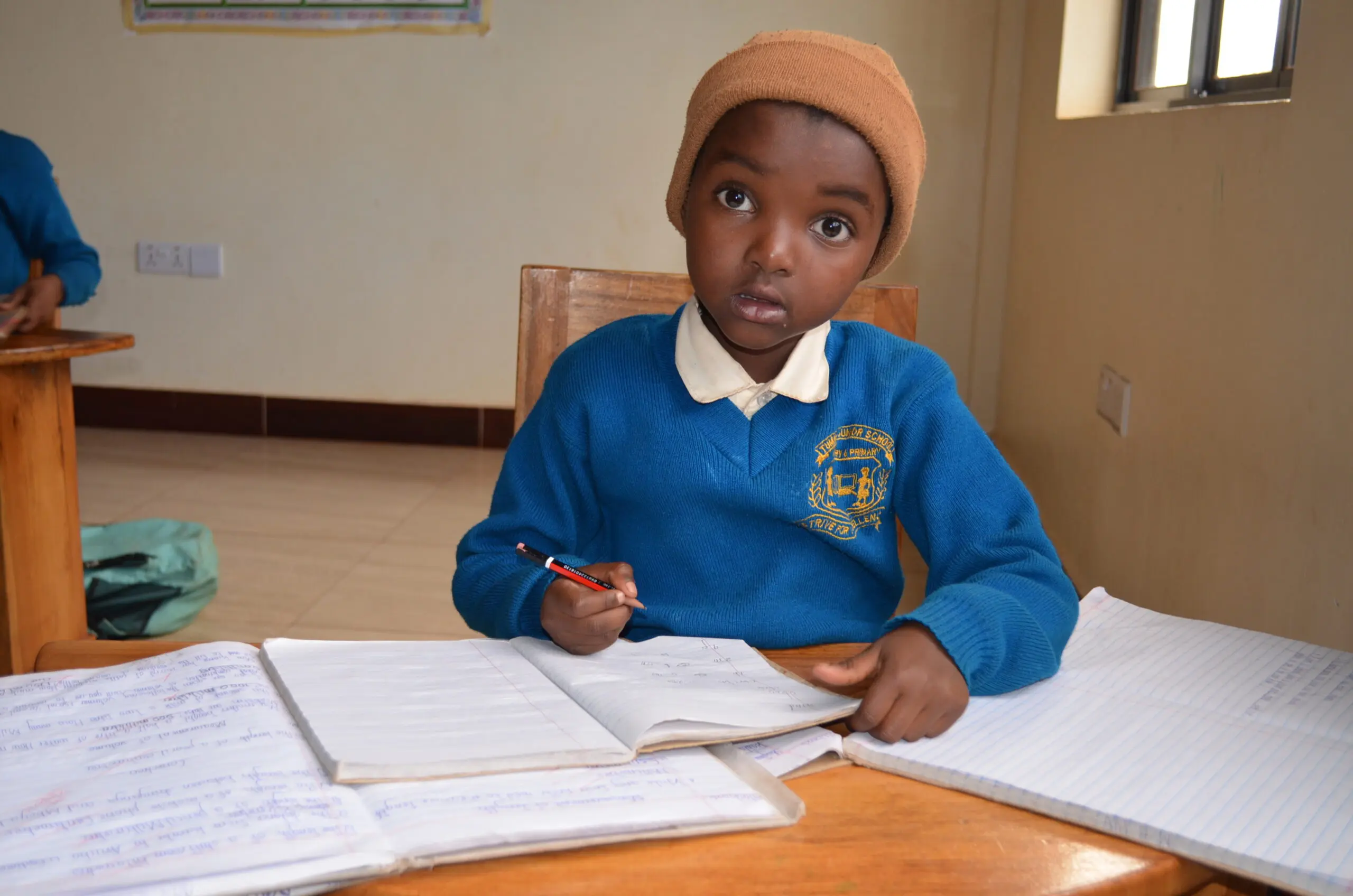
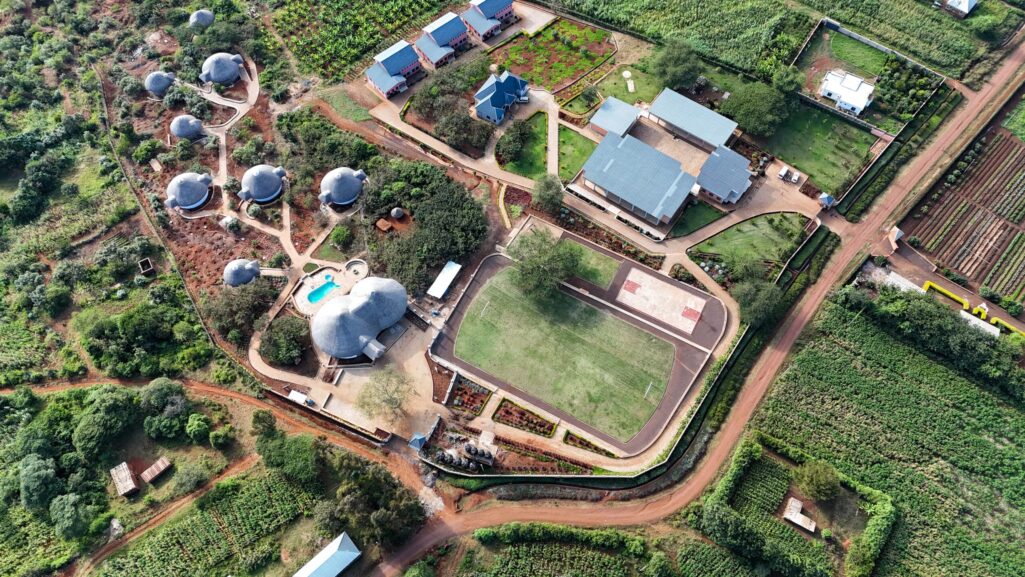
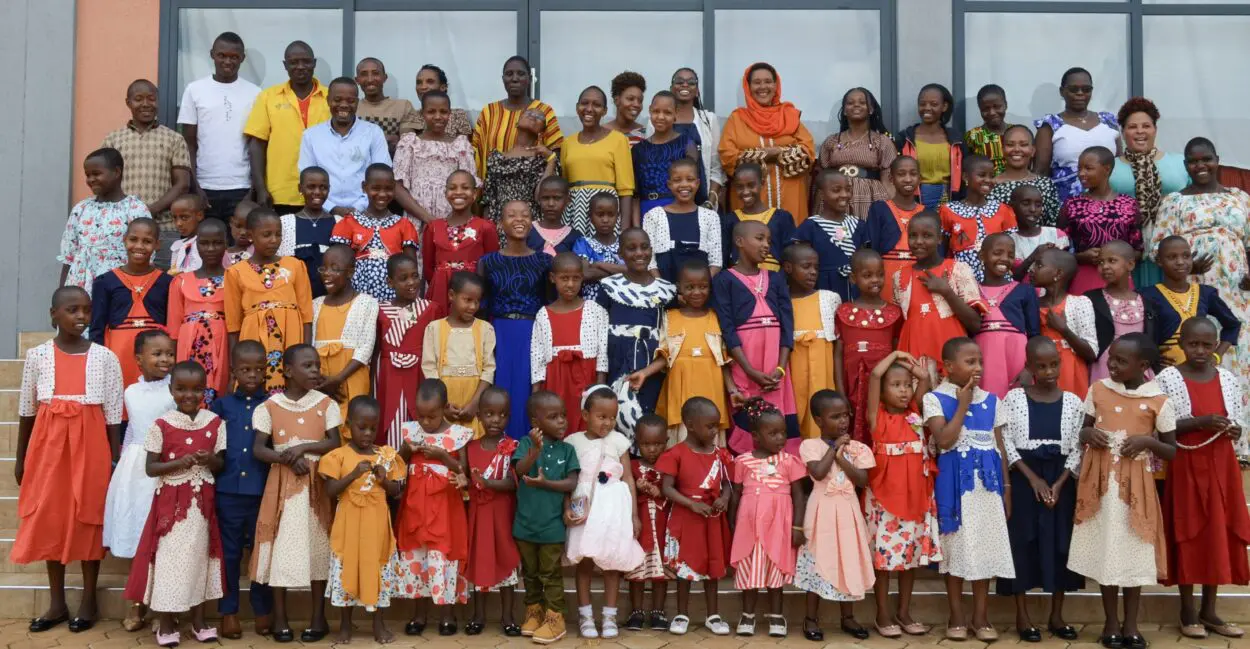
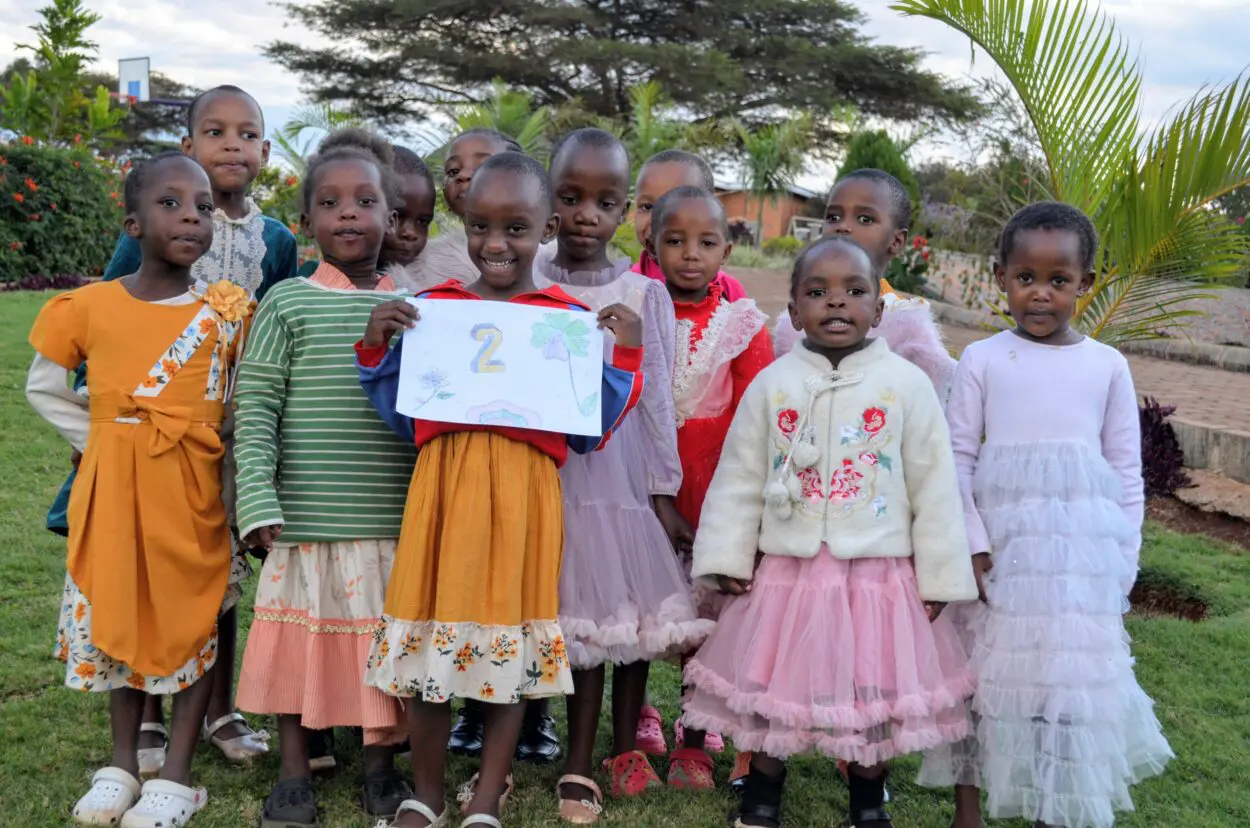
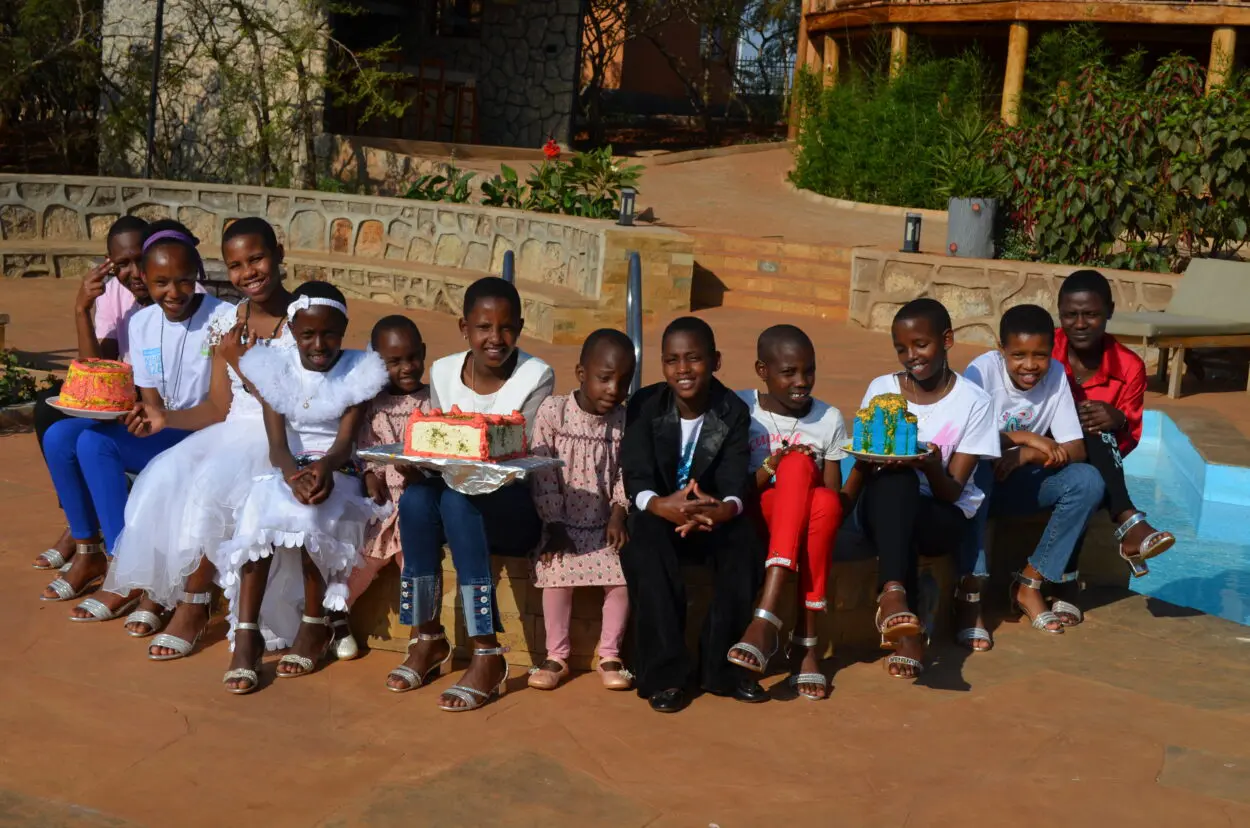
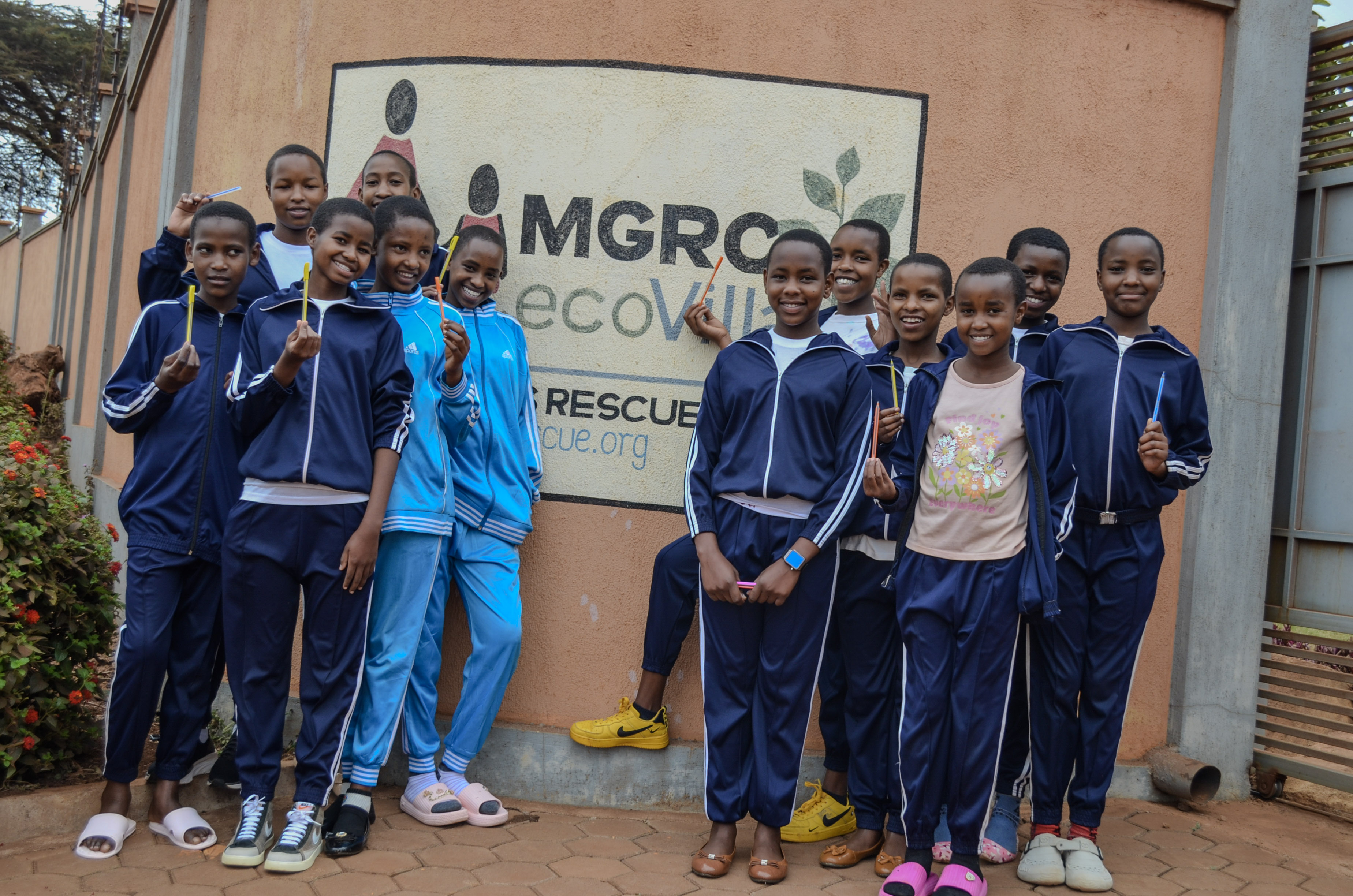
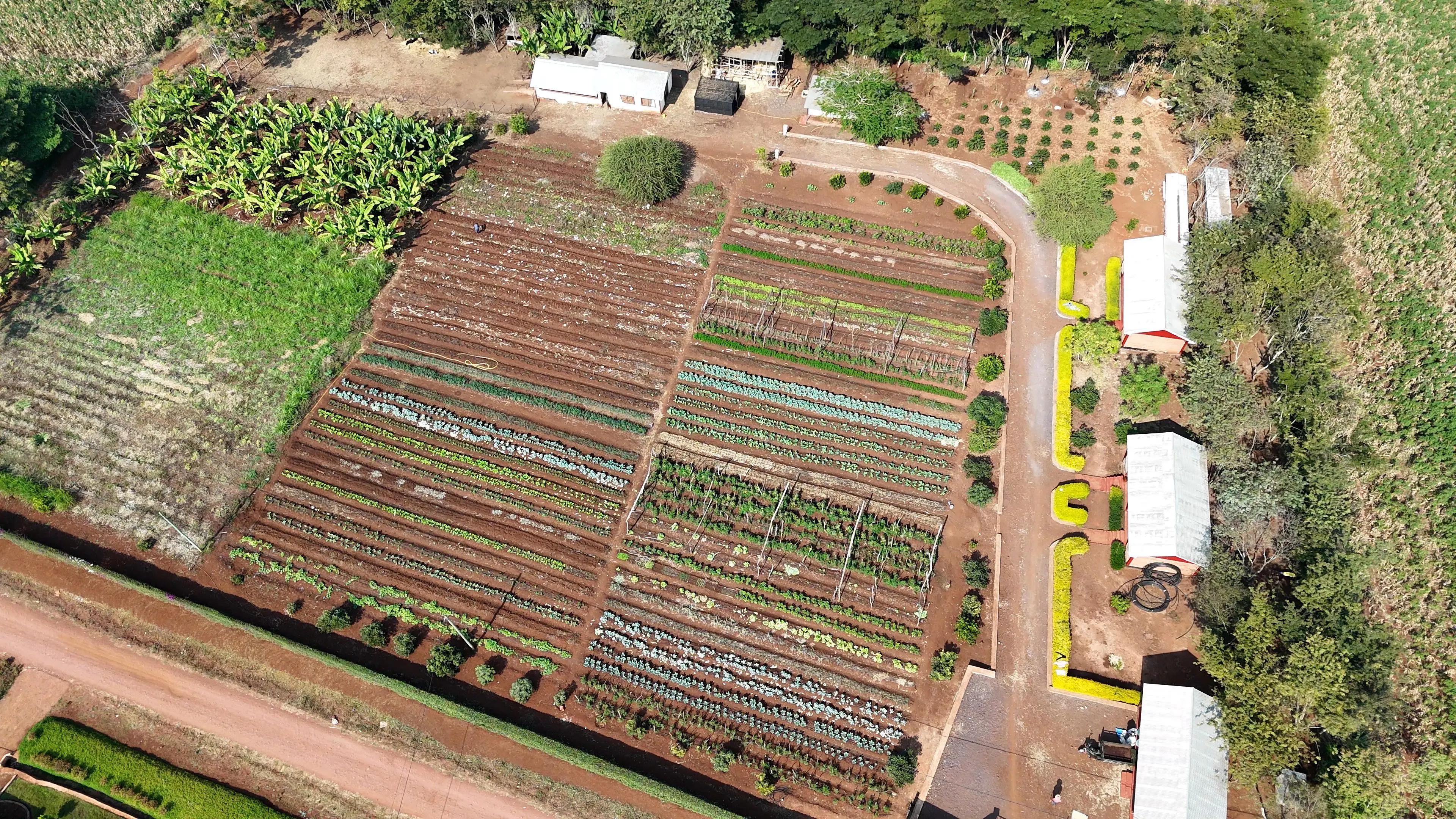
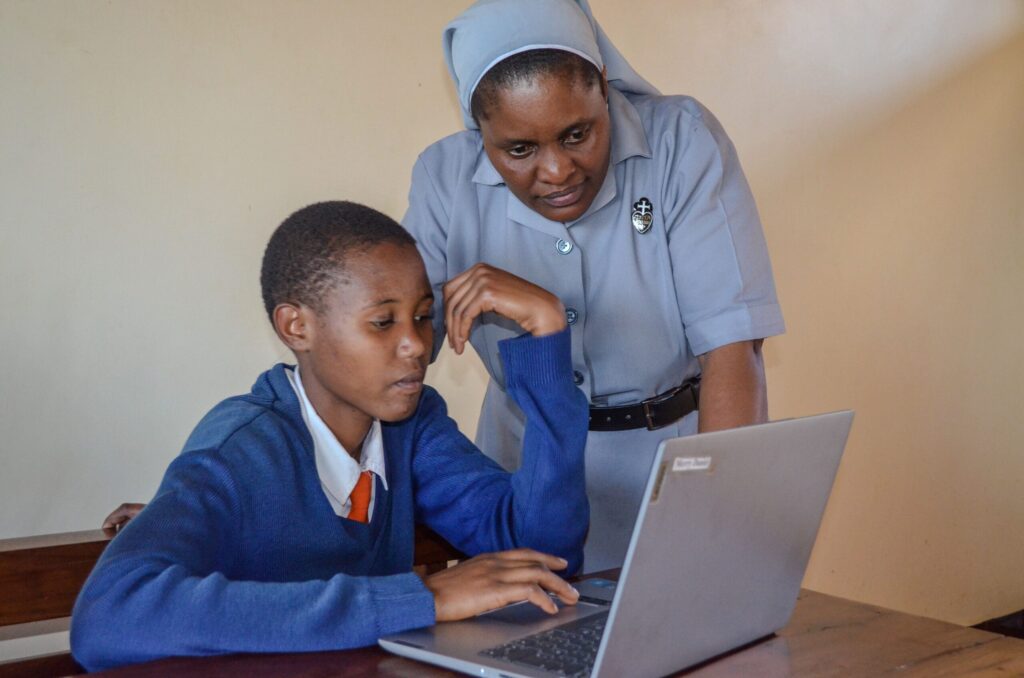
Fall at the Maasai Girls Rescue Center ecoVillage in Karatu has three rhythms. Our oldest girls are preparing for the most important exam of their young lives. Others spent their school break selling their own baked goods at the market in town. And in September, everyone stopped to celebrate birthdays with cake, sodas, and games. Here’s what’s been happening, and why all of it comes back to education. Exam season: the final push Our Standard 7 girls are back in class for their final semester, and their attention is on one thing: the final exam. Along with special exam-prep classes, they are making full use of the computer lab and its learning programs. That lab was expanded with gifts to last year’s holiday campaign, and this fall it is doing exactly what donors hoped, making study effective and even fun. That focus means more when you remember where many of these girls started. Most arrive at MGRC having never attended school. When results come in, each girl will sit down with our team to choose her next step: academic secondary school, vocational training, or another route suited to her strengths. There is no single track. Every girl has an individual development plan, and this is the moment it becomes real. Meanwhile, Madame Flora is teaching the younger girls in the Pre-Form 1 class, building strong foundations in math and English so they arrive in Form 1 ready to succeed. Market days: Learn & Earn keeps paying off In June, 52 girls took part in our first Learn & Earn pilot: 30 days, four teams, real products, and real customers. The baking team alone recorded TSh 125,800 in sales and TSh 62,200 in profit, and won seven new customers from outside the ecoVillage. The real test of any pilot is whether the lessons stick. Over their school break, some of the girls answered that themselves. On their own initiative, they baked cupcakes and other goods, made coated peanuts, and took them to the market in town to sell. They are saving what they earned to buy more supplies, exactly as a small business owner would. They came home excited and proud. Walking into town and selling your own product takes confidence, and that confidence is what Learn & Earn was built to grow. The same hands-on learning continues on the ecoFarm, where the new chickens lay about 45 eggs a day, the cows give about 87 liters of milk a day, and the avocado crop is a bumper one. The girls pick vegetables, feed animals, clean pens, and help pack and store meat for the freezers. In 2025, the farm supplied more than 90% of the food for over 100 people at about 25% of market cost. Birthday cake: celebrating September Not every lesson happens in a classroom. In September, the ecoVillage gathered to celebrate every girl with a September birthday. There was cake, there were sodas, there were games, and there was the kind of noisy, happy celebration that fills a family home. In a family-style home, birthdays are how each girl hears that her life is worth celebrating. That […]
🌱 Education and Sustainability
Stories of learning, growth, and environmental stewardship. How education opens doors while sustainable practices protect our land for future generations.
🌍 Community and Culture
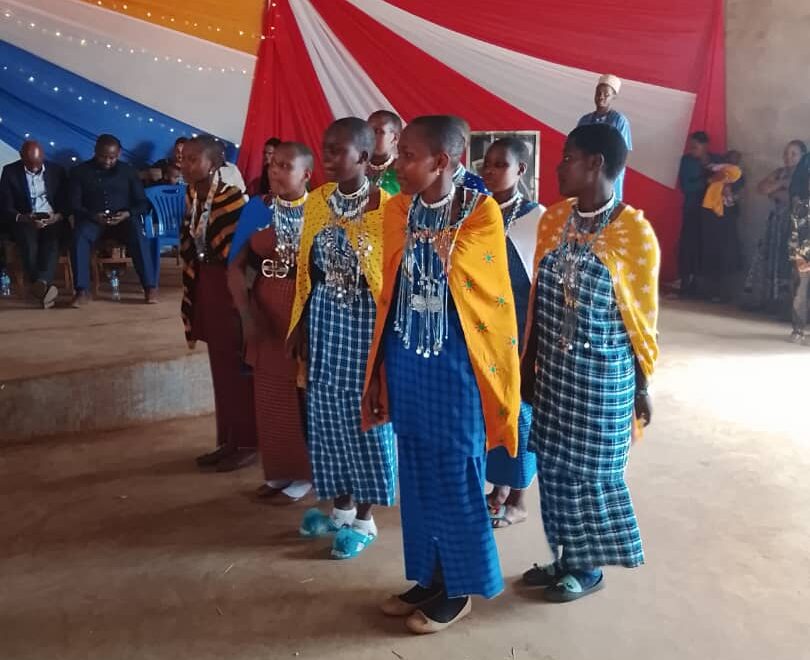
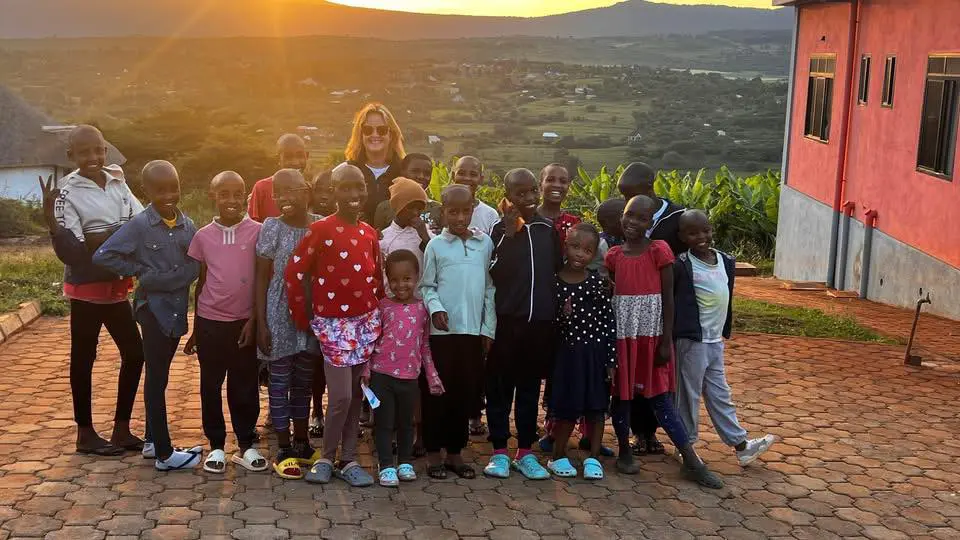
Celebrating Maasai traditions while embracing positive change. Stories of empowerment, cultural preservation, community bonds, and the wisdom of elders guiding the next generation.
✏️ Growth and Reflection
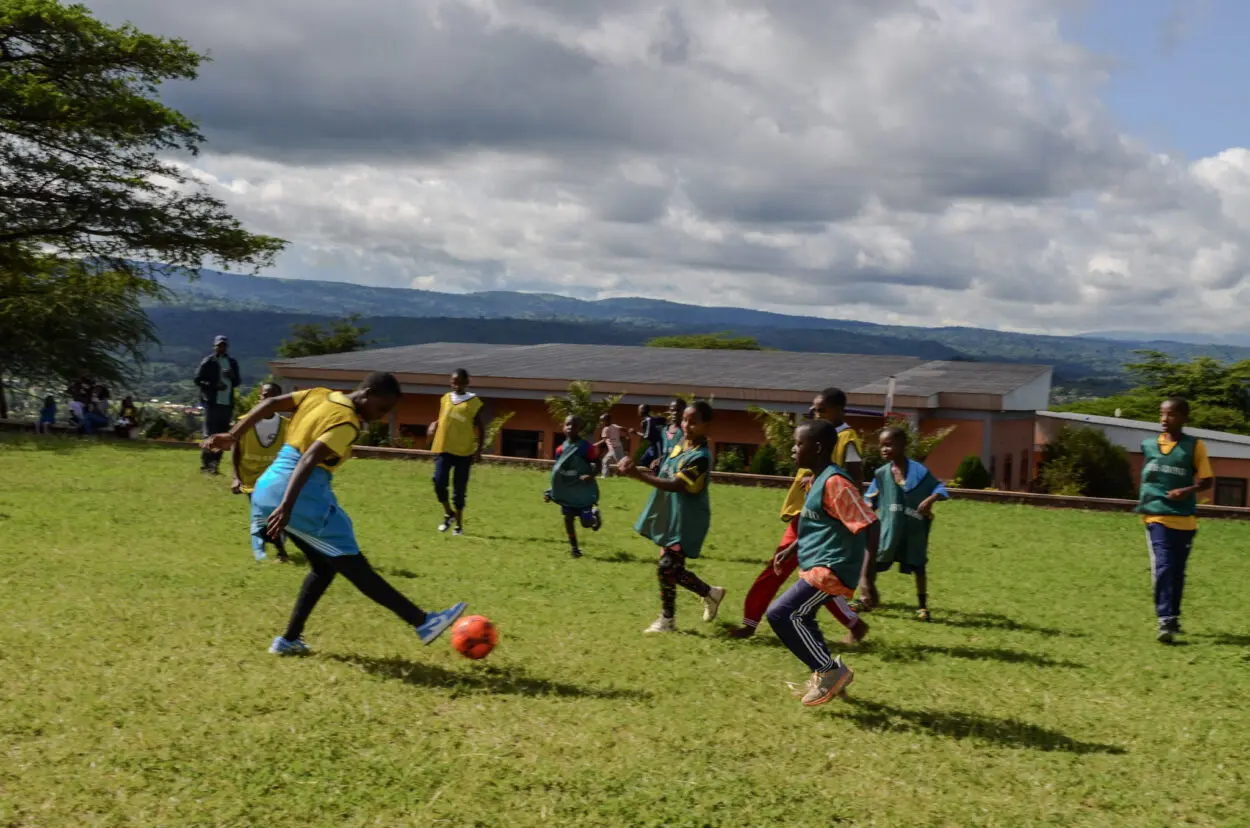
Personal journeys and community transformations. Inspiring accounts of overcoming challenges, achieving dreams, and the ongoing evolution of our community.