Our Stories of Empowerment Blog
about our blog
Maasai Girls Education & Sustainable Community Development
Connect with our Maasai girls community through powerful stories of empowerment—real journeys of education, cultural preservation, and sustainable development. Join us on a transformative path as we share authentic voices from Tanzania, celebrating tradition while embracing positive change for a brighter future.
Discover how education empowers young Maasai women, how communities blend heritage with innovation, and how sustainable practices foster long-term impact.
Each story is a reflection of hope, resilience, and the strength of community-driven change.
Featured Post
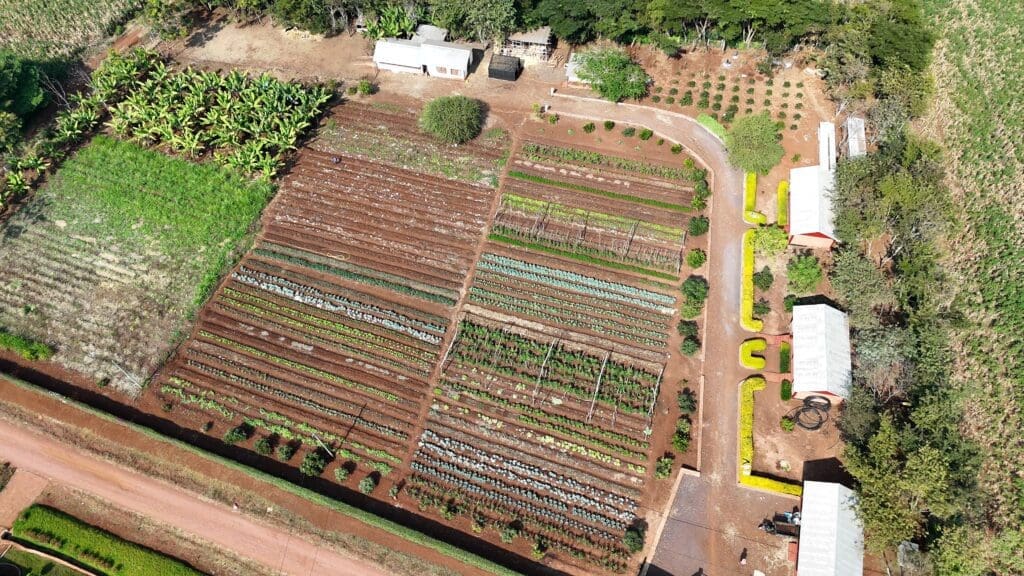
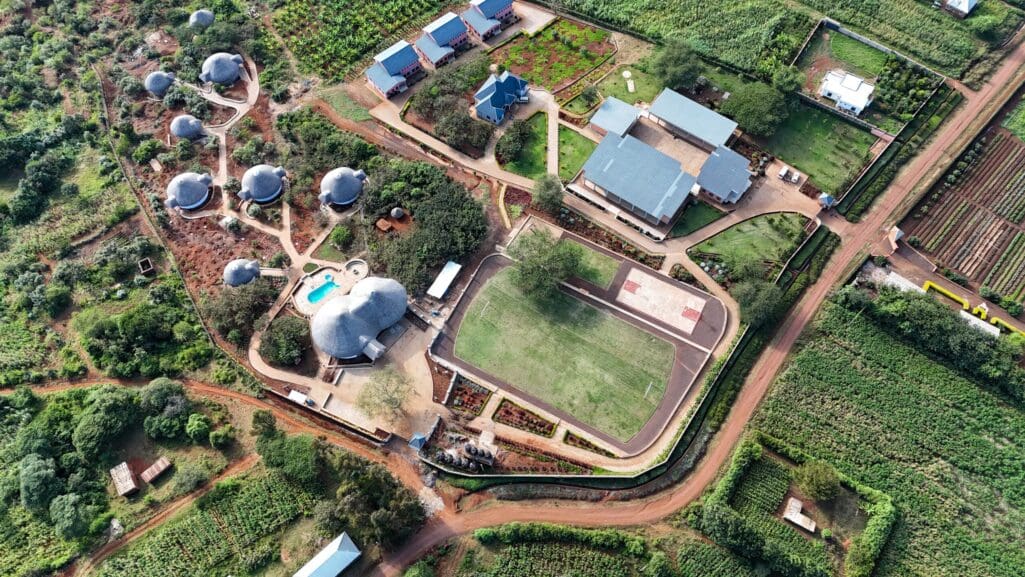
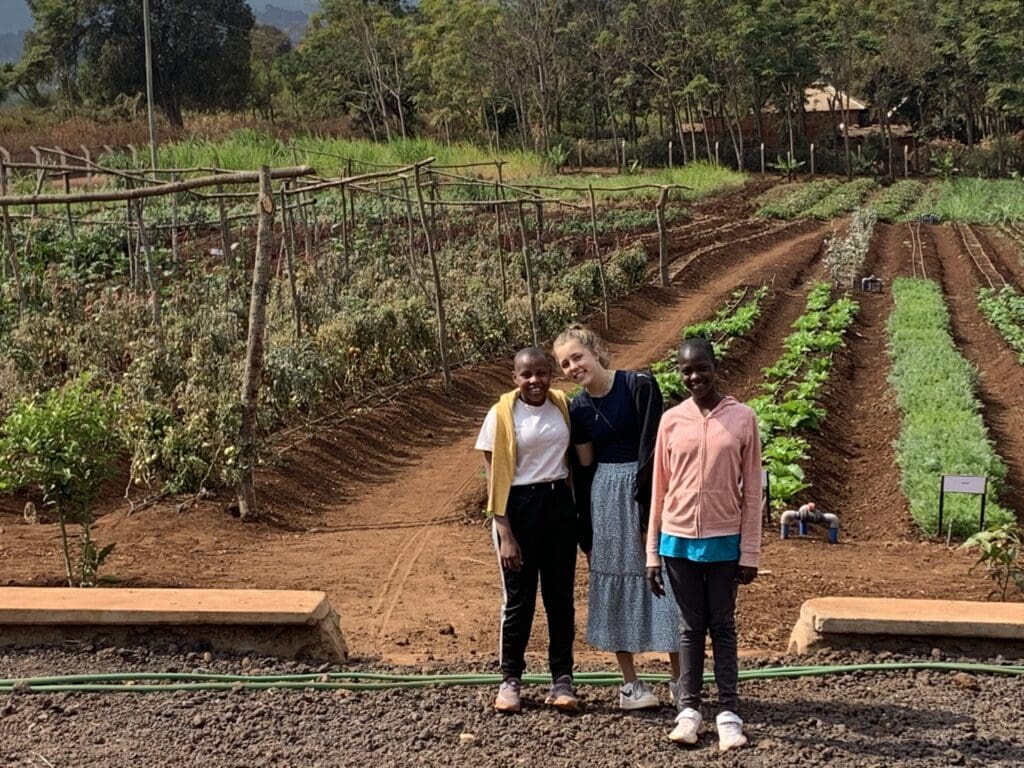
How circular systems and regenerative practices create lasting change On a 10-acre plot in Tanzania’s Karatu District, an integrated ecosystem demonstrates what sustainable development can achieve when environmental stewardship, social impact, and economic viability converge. The Maasai Girls Rescue Center’s ecoVillage operates as more than a rescue center—it functions as a living laboratory for circular economy principles, climate-resilient agriculture, and community development. This integration comes at a critical juncture. Climate research indicates that Sub-Saharan Africa, despite contributing least to global climate change, suffers its most severe effects. Approximately 80% of disasters reported globally are climate-related, with agriculture bearing the brunt of the impact. For a region where over 60% of full-time employment depends on agriculture, these disruptions threaten not just food security but economic stability and social cohesion. Circular systems in practice MGRC’s ecoVillage exemplifies circular economy principles where waste from one process becomes input for another. The system begins with the ecoFarm, which operates using zero-grazing techniques that minimize land degradation while maximizing yield. Livestock receive nutritious fodder grown through hydroponic systems, reducing pressure on grazing lands while ensuring consistent feed supplies. The animals produce more than meat, milk, and eggs. Their manure becomes organic fertilizer for crop production, eliminating the need for synthetic chemicals that degrade soil health and pollute water systems. Rabbit urine serves as a natural insecticide, demonstrating how integrated pest management can replace harmful pesticides. Food scraps from the center’s cafeteria, rather than generating waste, become pig feed, closing the loop on organic material. These practices mirror recommendations from agricultural sustainability research, which emphasizes that managing soil-water balance and adopting water-smart practices are essential for maintaining food security under climate change. MGRC’s drip irrigation system conserves scarce water resources while ensuring crops receive adequate moisture—a crucial adaptation in a region where rainfall patterns are becoming increasingly erratic. The farm’s 400+ fruit trees serve multiple functions. They provide food, prevent soil erosion, improve water infiltration, and sequester carbon. The new flower and tree nursery generates additional income while beautifying the ecoVillage grounds. In 2024, the farm produced its first coffee, watermelon, and banana harvests, demonstrating successful crop diversification—a key climate adaptation strategy. Environmental impact meets social mission The environmental benefits of MGRC’s practices extend far beyond the ecoVillage boundaries. By demonstrating sustainable farming techniques to rescued girls, the organization ensures these practices spread when graduates return to their communities. This knowledge transfer is critical: research shows that climate-smart agriculture technologies, when properly implemented, can produce triple-win outcomes of improved resilience, lower emissions, and better output. Yet adoption of climate-smart agriculture remains low across Africa despite global recognition of its benefits. MGRC addresses this gap through hands-on education. Girls don’t just learn about sustainable agriculture theoretically—they practice it daily. They tend livestock, maintain gardens, operate irrigation systems, and participate in composting. These practical skills become second nature, ensuring graduates can implement sustainable practices in their own farms and gardens. “Beyond providing nutritious food, the ecoFarm serves as a vital classroom, teaching animal husbandry, gardening, innovative farming operations, and the importance of daily chores.” — MGRC 2024 Annual Report The health implications of this environmental approach are substantial. […]
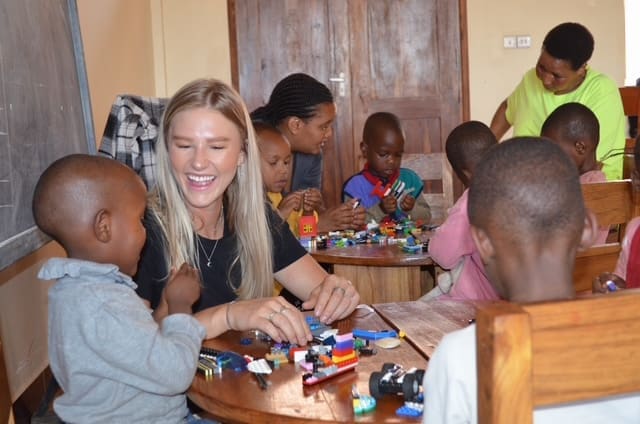
🌱 Education and Sustainability
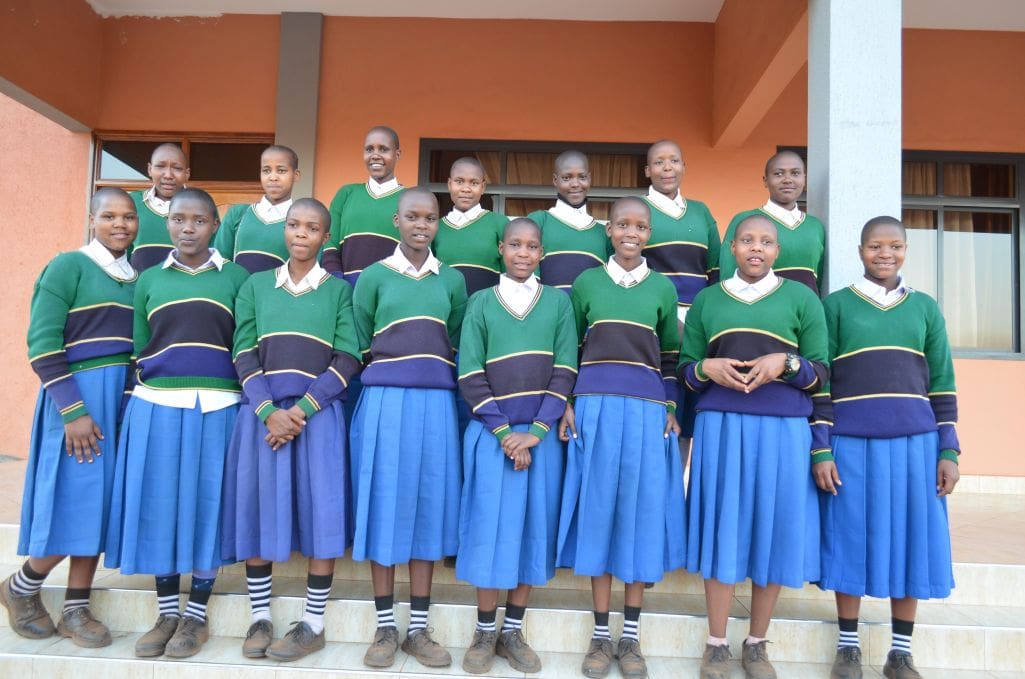
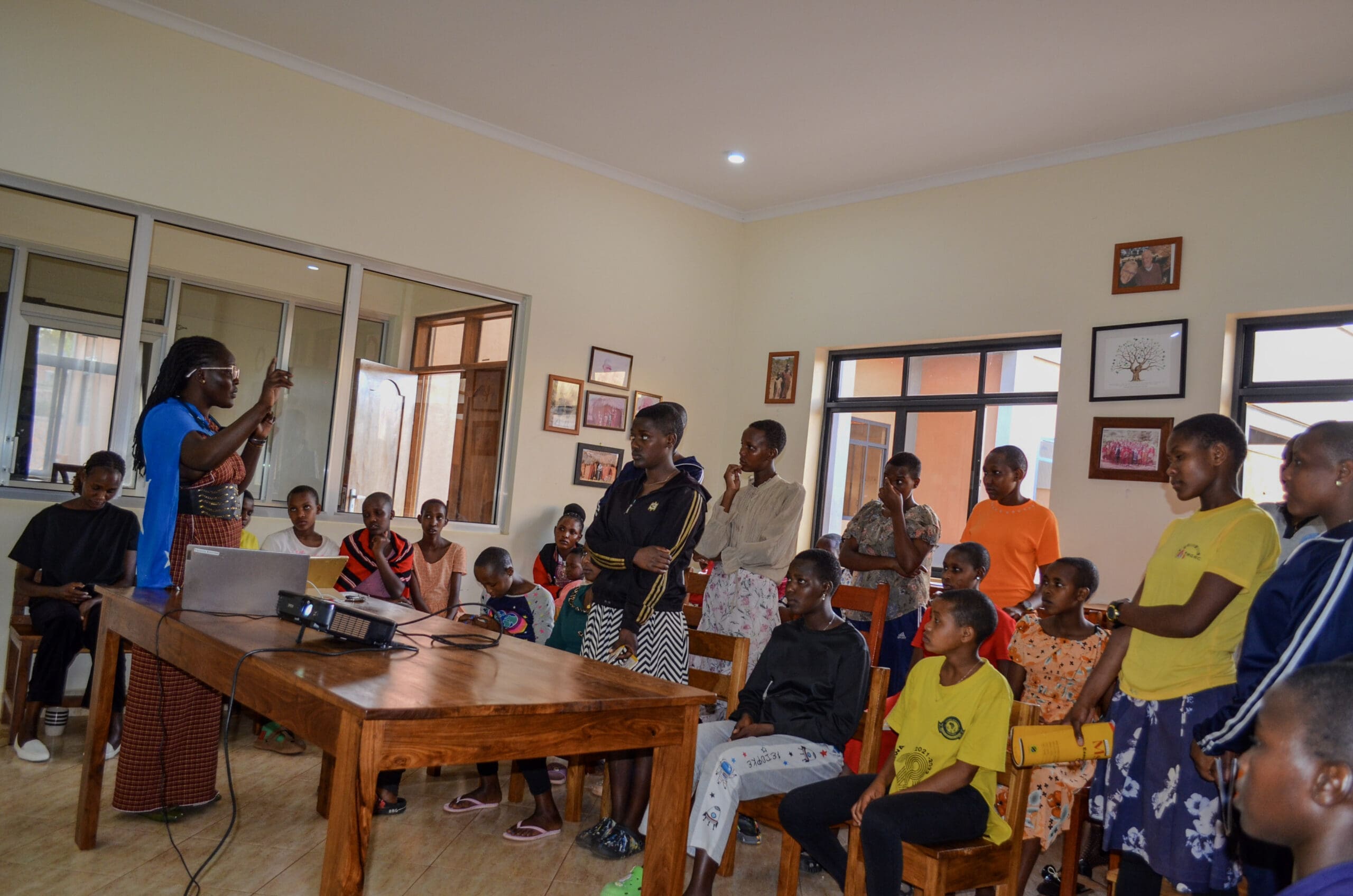
Stories of learning, growth, and environmental stewardship. How education opens doors while sustainable practices protect our land for future generations.

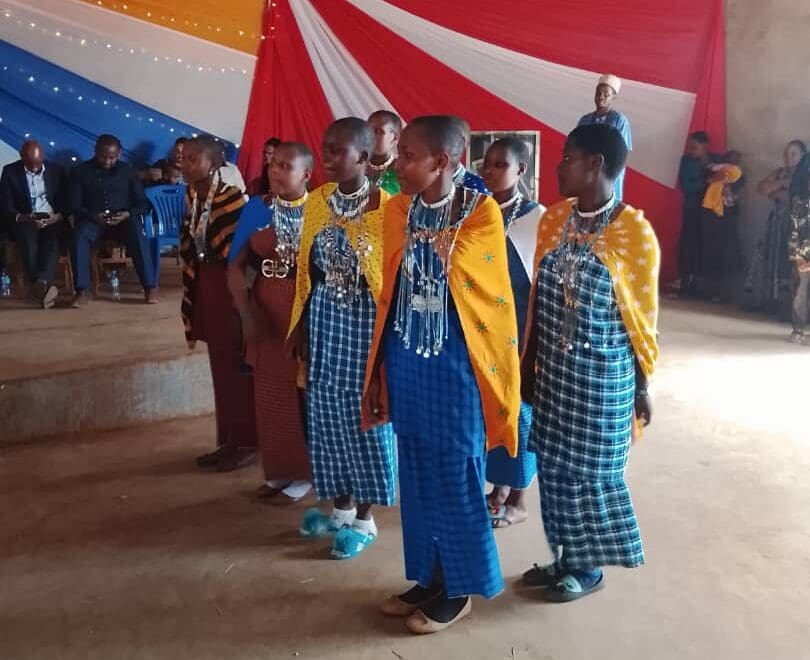

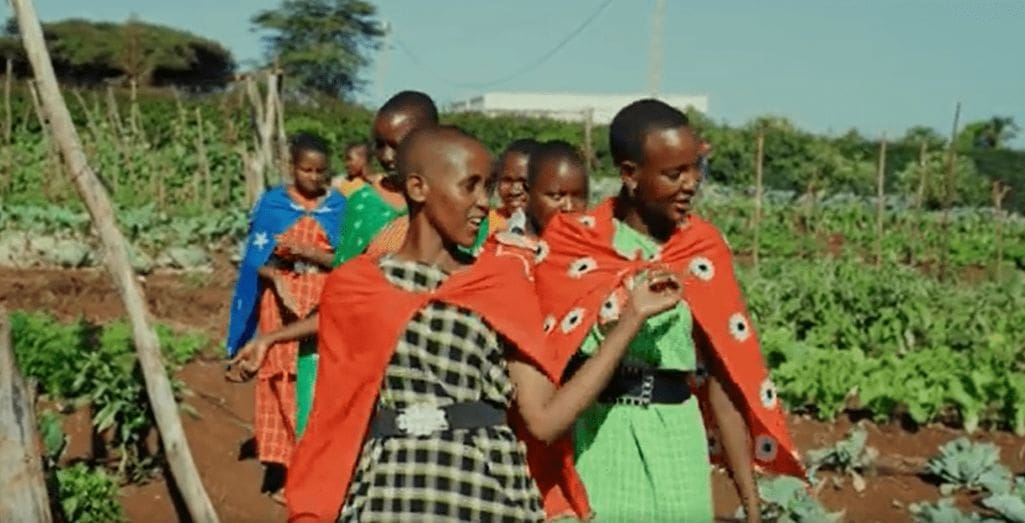
🌍 Community and Culture
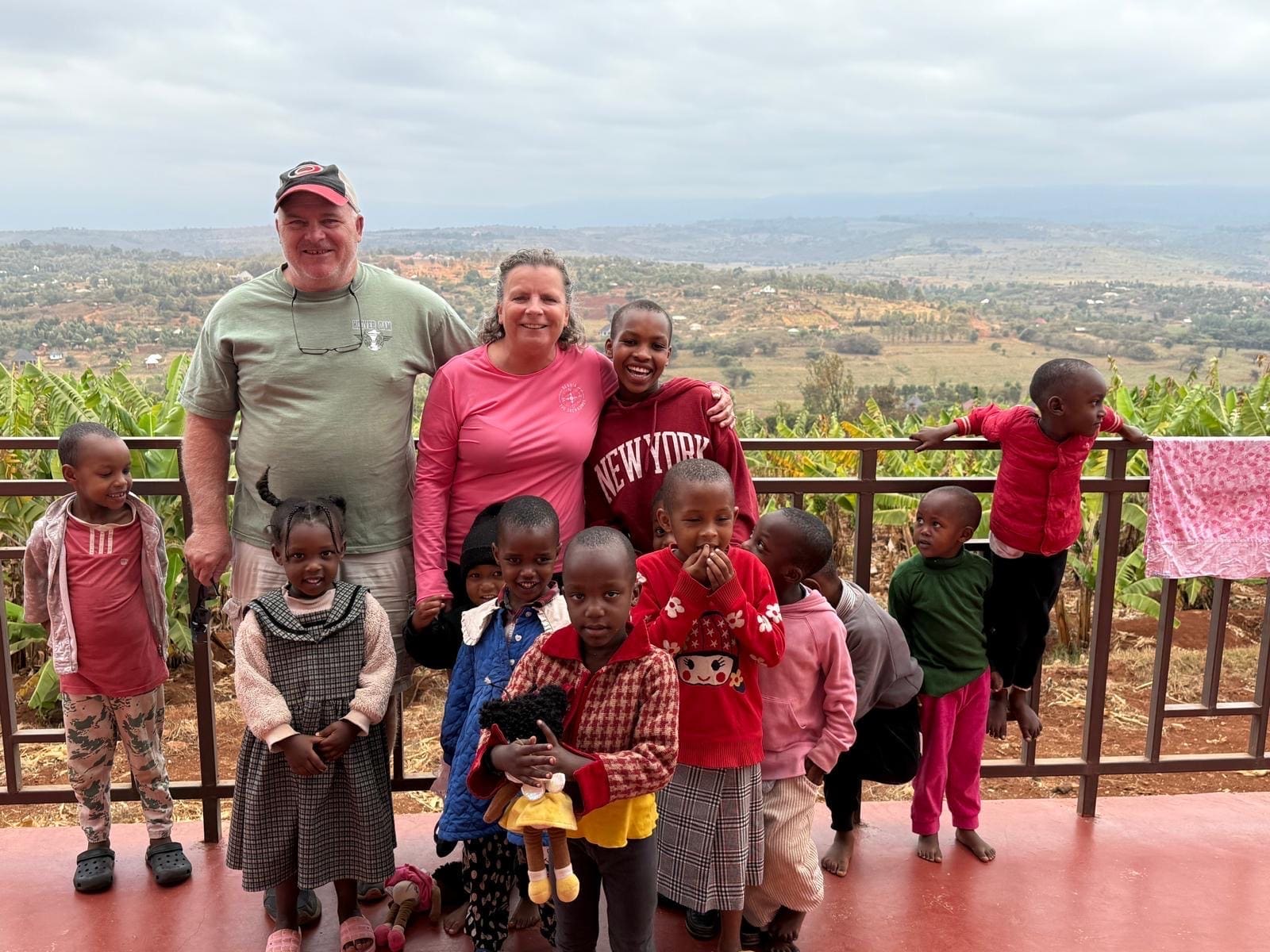
Celebrating Maasai traditions while embracing positive change. Stories of empowerment, cultural preservation, community bonds, and the wisdom of elders guiding the next generation.
✏️ Growth and Reflection
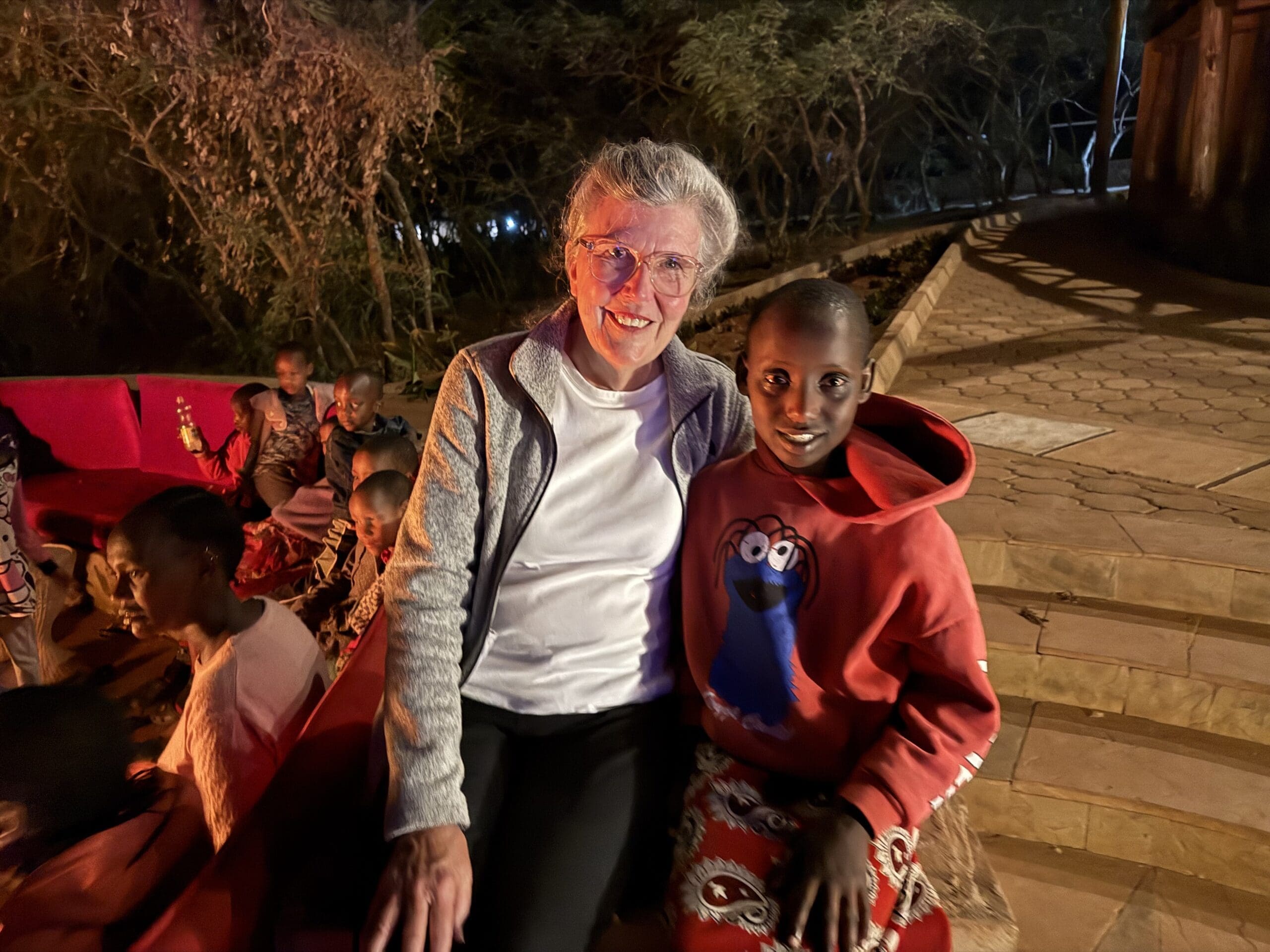
Personal journeys and community transformations. Inspiring accounts of overcoming challenges, achieving dreams, and the ongoing evolution of our community.