

Turning vulnerability into resilience through agricultural innovation
In the heart of Northern Tanzania’s Karatu District, a remarkable transformation is taking place. The Maasai Girls Rescue Center has achieved what many development organizations only aspire to: creating a sustainable development model that feeds vulnerable populations while protecting the environment and building economic independence.
The numbers tell a powerful story. In 2024, MGRC’s ecoFarm produced $62,152 worth of food at a cost of just $29,160, saving the organization nearly $33,000 in food expenses. More impressively, the farm now supplies 95% of the protein, 90% of the vegetables, and 50% of the fruit needed to nourish over 70 rescued girls and staff members.
This achievement comes at a critical time. Climate change threatens food security across Sub-Saharan Africa, where agricultural productivity has declined by 34% since 1961 due to anthropogenic climate change. In Tanzania specifically, one in three girls still marries before age 18, and the country maintains one of the world’s highest adolescent birth rates. The intersection of these challenges makes MGRC’s integrated approach all the more vital.
Building climate resilience from the ground up
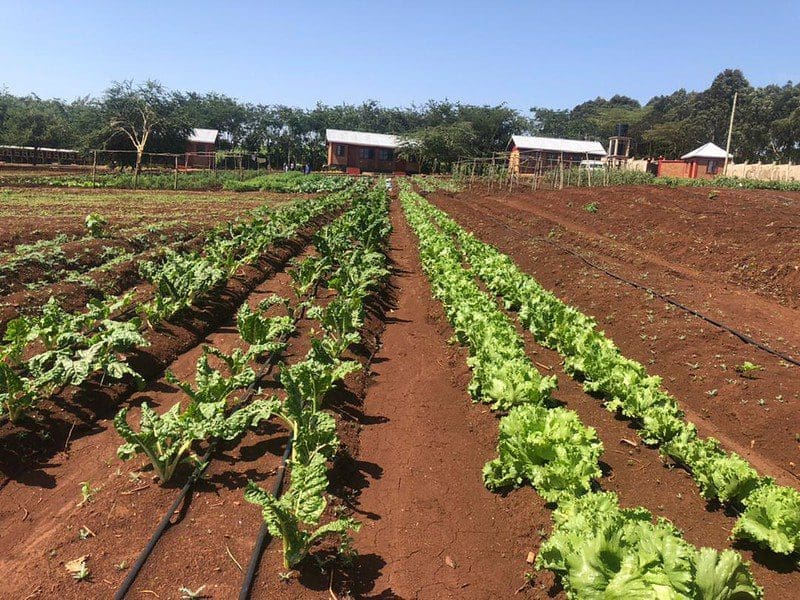
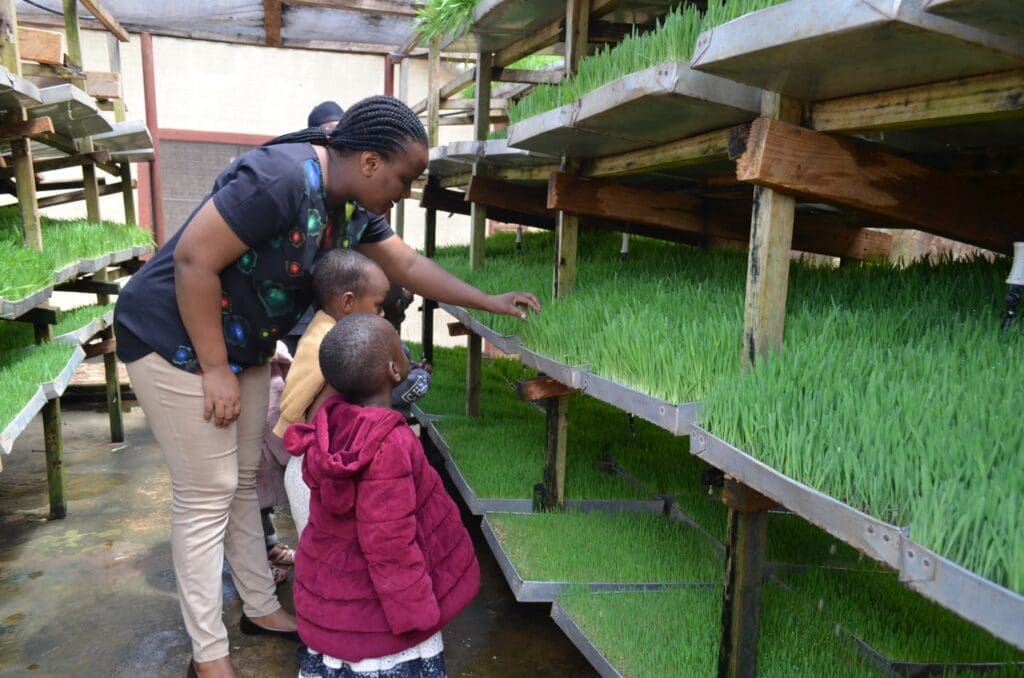
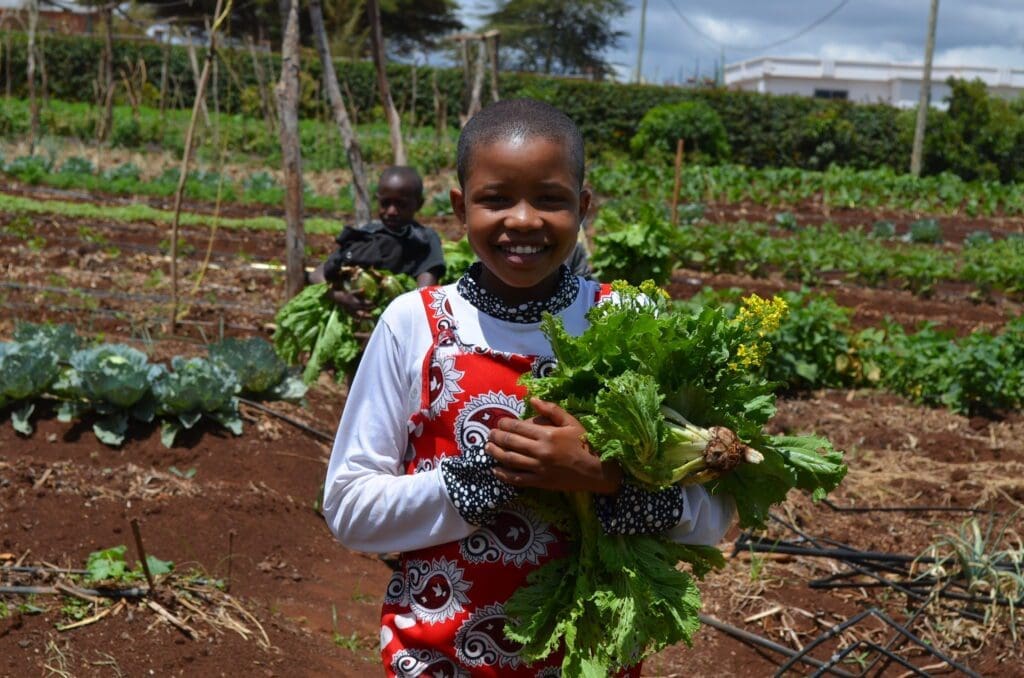
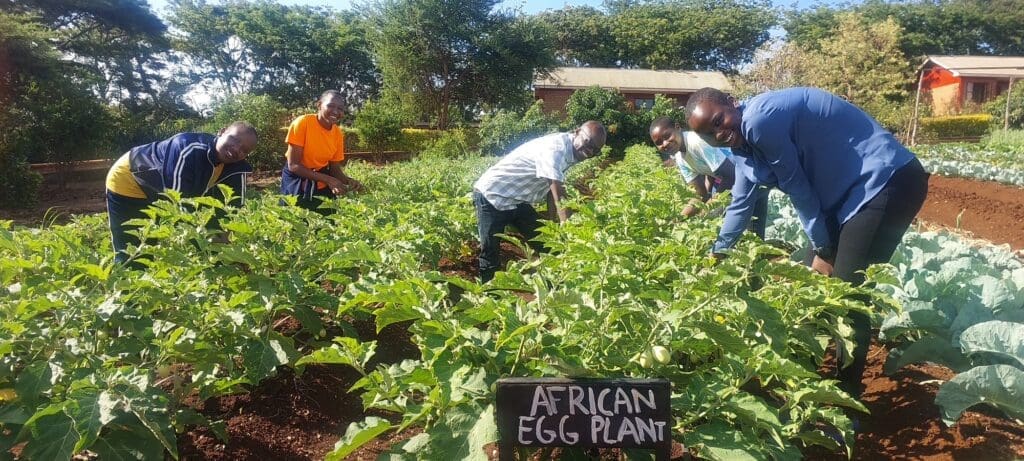
What began nine years ago with no farming experience has evolved into a sophisticated operation employing modern sustainable development practices. The ecoFarm utilizes zero-grazing systems for livestock, drip irrigation for water conservation, and hydroponic systems for growing fodder. Even food scraps from the cafeteria are recycled to feed pigs, while rabbit urine serves as a natural insecticide.
“We don’t just rescue girls; we equip them to break the cycle of poverty and build independent futures.”
These practices align with global sustainability goals at a time when they’re desperately needed. Research indicates that under 2°C of warming, crop yields across sub-Saharan Africa will decrease by 10%, with losses reaching 20% beyond that threshold. Maize yields in some African countries could decline by more than 20% if global temperatures increase by 4 degrees Celsius. MGRC’s water-efficient farming methods and drought-resistant crop integration position both the organization and the girls it serves to face these climate challenges head-on.
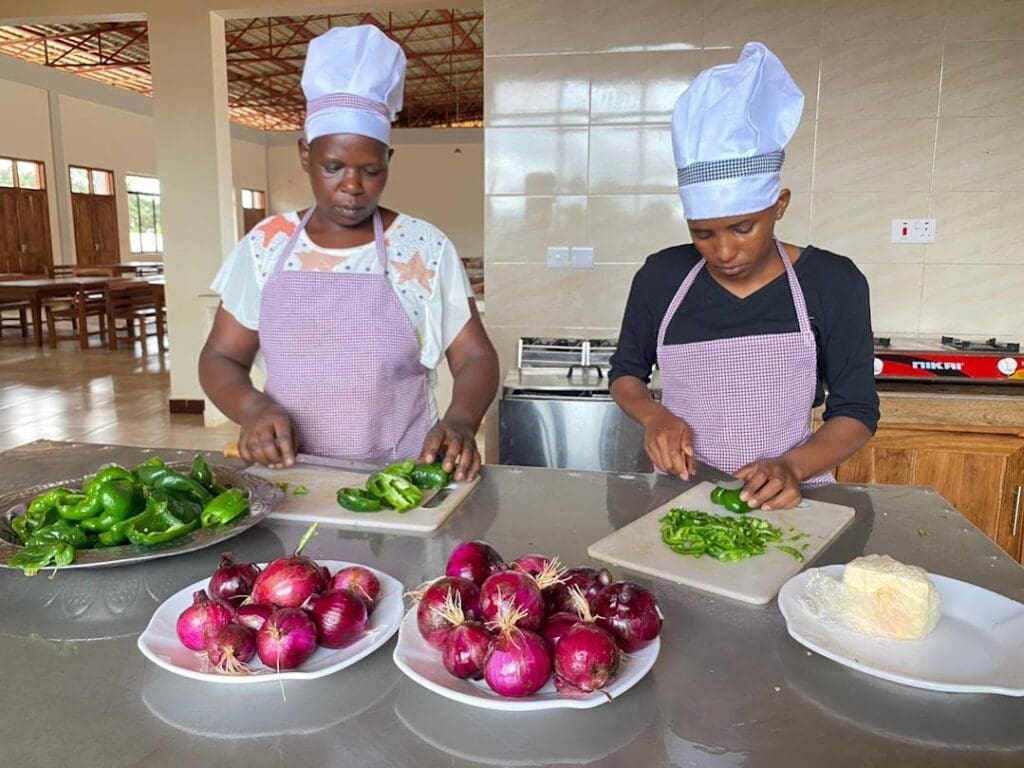
The farm’s livestock operation has grown strategically, expanding to include 2 dairy cows, 15 pigs, 48 rabbits, and 90 chickens. In 2024, the farm achieved its first watermelon and banana harvests and produced 10 kilograms of coffee. The dairy operation now pasteurizes milk and produces butter, reducing cooking oil costs and providing essential nutrition.
Education as the foundation for food security
According to the World Bank, better educated women tend to be more informed about nutrition and healthcare. They marry later, have fewer children, and those children are usually healthier. MGRC exemplifies this connection, with 75% of its students ranking in the top 25% of their classes.
The global data underscores why this matters. In Mali, women with secondary education or higher have an average of 3 children, while those with no education have 7. In Burkina Faso, mothers with secondary education are twice as likely to give birth safely in health facilities. A child born to a mother who can read is 50% more likely to survive past age 5 than a child born to an illiterate woman.
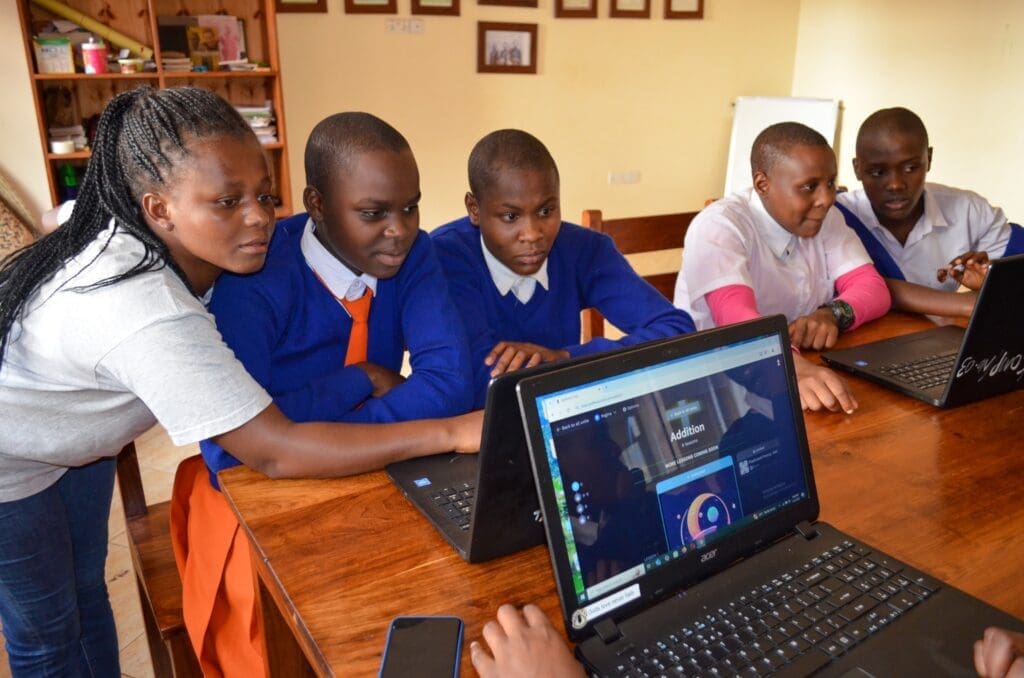
MGRC’s educational model extends beyond academics. Girls receive hands-on training in animal husbandry, organic fertilizer production, and innovative farming techniques. They learn vocational skills in agriculture, hospitality, sewing, beadwork, and computer literacy. This comprehensive approach ensures that when these young women eventually leave the center, they possess both the knowledge and practical skills to create food security in their own communities.
The social enterprise solution
Perhaps most innovative is MGRC’s business model. Rather than relying solely on donations to cover operational costs, the organization built the Maasai ecoLodge, a social enterprise whose profits fund operations. This approach means that 100% of donor contributions go directly to the girls’ care—food, housing, education, medical care, and vocational training.
“By producing most of our food on our ecoFarm, we were able to effectively control costs and significantly improve the nutrition of our girls.”
The ecoLodge, nearing completion with its first phase set to open in Fall 2025, will offer guests eco-friendly accommodations with stunning valley views near Lake Manyara and the Ngorongoro Crater. The adjacent Maasai Culture Center provides authentic cultural experiences taught by Maasai community members, creating employment while preserving traditional knowledge.
This model addresses a critical challenge identified by researchers: in sub-Saharan Africa, just over two-thirds of girls complete primary education, and only four in ten complete lower secondary education. More than 49 million girls are out of school entirely in the region, with 31 million of them missing secondary education. MGRC’s sustainable funding approach ensures it can continue rescuing and educating girls without the constant pressure of fundraising campaigns.
Measuring success in lives transformed
The impact extends far beyond agricultural output. In 2024, MGRC welcomed 12 new girls escaping abuse, FGM, and child marriage. All girls in Class 7 passed the National 7 exam. Two students graduated from vocational school in hospitality and are now employed. The organization expanded its teaching staff, adding two preschool teachers to better prepare younger girls for formal education.
These achievements matter within the broader context of gender-based violence in Tanzania. According to UNFPA data, FGM prevalence in Tanzania has decreased from 18% to 10% among women aged 15 to 49. However, child marriage statistics remain stubbornly high, with one in three Tanzanian girls marrying before 18. Organizations like MGRC provide not just rescue, but a genuine alternative path.
Research shows that each additional year of education for girls reduces their chances of contracting HIV by 6.7%. In regions where MGRC operates, educated women have better health outcomes, greater economic opportunities, and can break the cycles that perpetuate poverty and harmful practices.
A model for sustainable development
MGRC’s success offers lessons for sustainable development organizations worldwide. By integrating education, sustainable agriculture, vocational training, and social enterprise, the organization has created a system where each component reinforces the others. The farm teaches valuable skills while providing nutrition. The education prepares girls for independence while improving their health outcomes. The social enterprise generates revenue while creating jobs.
The World Bank estimates that implementing better strategies for girls’ education in Africa between now and 2040 could unlock an additional $2.4 trillion in income for the continent. MGRC demonstrates how this can happen at the grassroots level—one girl, one skill, one sustainable development practice at a time.
As climate change continues to threaten food security across Africa, with predictions that 118 million extremely poor people will face extended droughts, flooding, and extreme heat by 2030, models like MGRC’s become increasingly essential. They prove that with the right combination of education, sustainable practices, and economic innovation, vulnerable communities can build genuine resilience.
The 73 girls who now call MGRC home represent more than rescue statistics. They are future farmers, entrepreneurs, educators, and community leaders equipped with both traditional knowledge and modern skills. They understand climate-resilient agriculture not as an abstract concept, but as the daily practice that puts food on their tables. When they eventually return to their communities, they will carry these lessons with them, multiplying the impact far beyond MGRC’s 10-acre ecoVillage.
In a world where sustainable development solutions often create dependency, MGRC has chosen a different path—one that builds capacity, preserves dignity, and creates lasting change. Their ecoFarm doesn’t just feed girls today; it cultivates the skills and knowledge that will nourish communities for generations to come.

Post a comment