

How circular systems and regenerative practices create lasting change
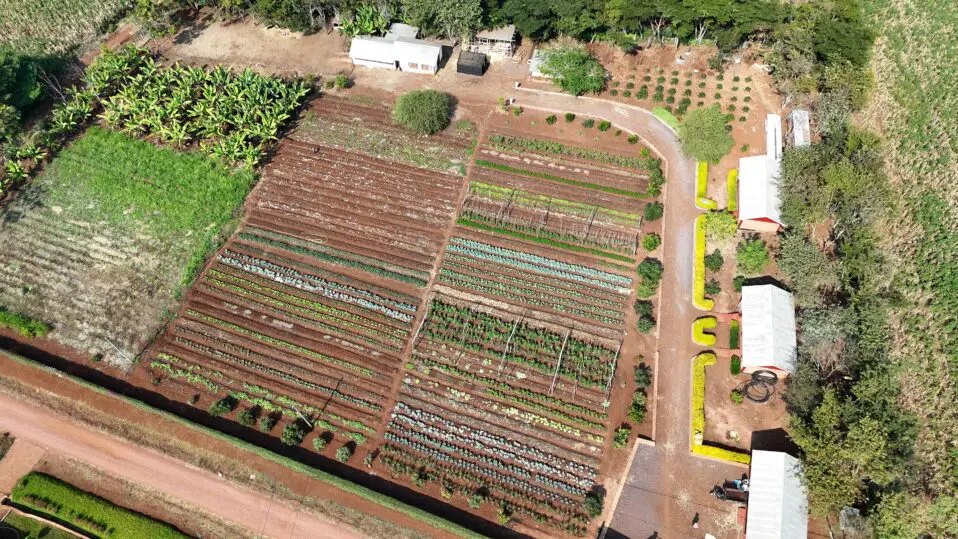
On a 10-acre plot in Tanzania’s Karatu District, an integrated ecosystem demonstrates what sustainable development can achieve when environmental stewardship, social impact, and economic viability converge. The Maasai Girls Rescue Center’s ecoVillage operates as more than a rescue center—it functions as a living laboratory for circular economy principles, climate-resilient agriculture, and community development.
This integration comes at a critical juncture. Climate research indicates that Sub-Saharan Africa, despite contributing least to global climate change, suffers its most severe effects. Approximately 80% of disasters reported globally are climate-related, with agriculture bearing the brunt of the impact. For a region where over 60% of full-time employment depends on agriculture, these disruptions threaten not just food security but economic stability and social cohesion.
Circular systems in practice
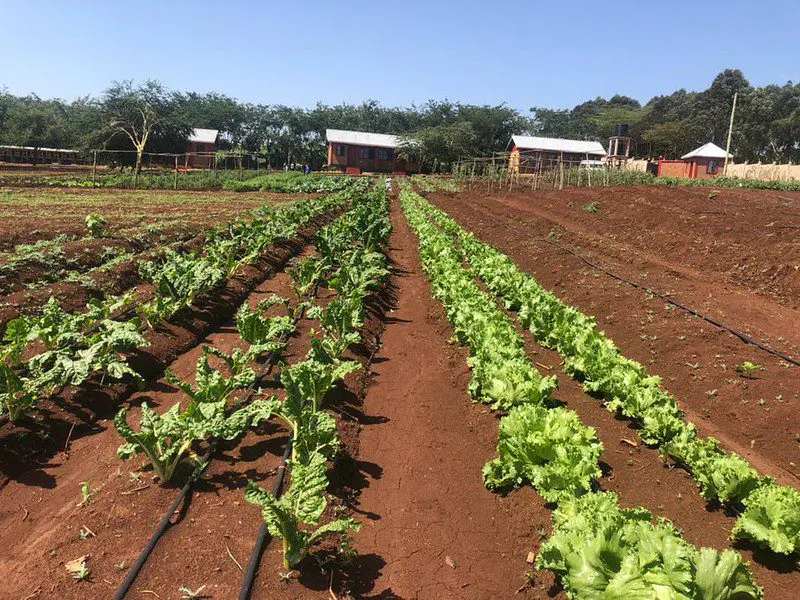
MGRC’s ecoVillage exemplifies circular economy principles where waste from one process becomes input for another. The system begins with the ecoFarm, which operates using zero-grazing techniques that minimize land degradation while maximizing yield. Livestock receive nutritious fodder grown through hydroponic systems, reducing pressure on grazing lands while ensuring consistent feed supplies.
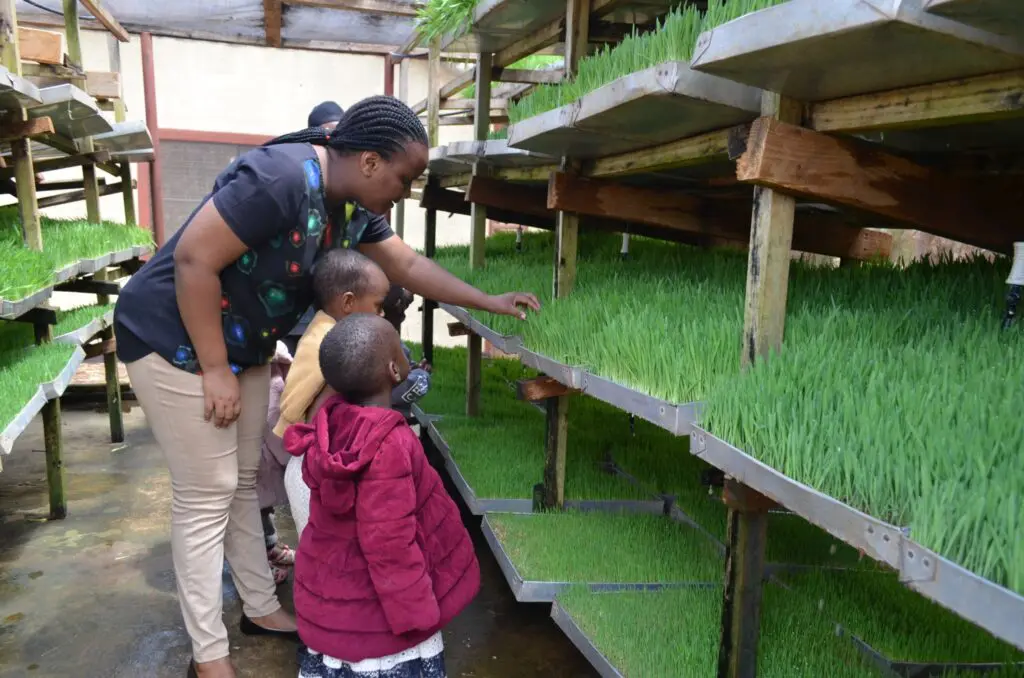
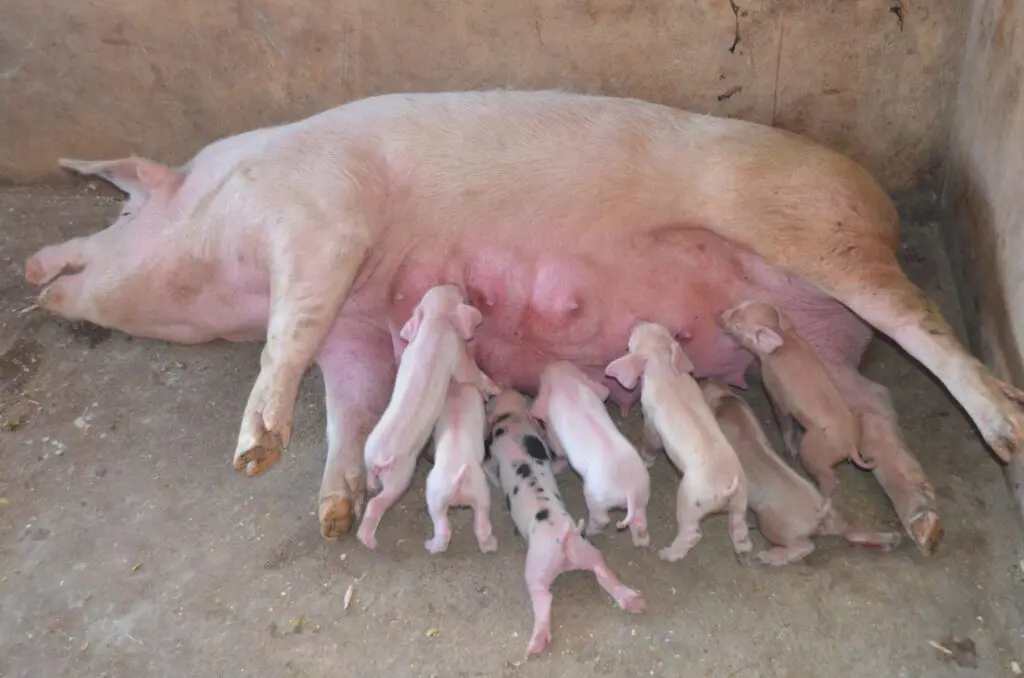
“The ecoFarm became the answer, not just for reducing costs but also for creating an opportunity to teach our girls valuable life skills like agriculture and self-sufficiency.” — MGRC ecoFarm Journey
The animals produce more than meat, milk, and eggs. Their manure becomes organic fertilizer for crop production, eliminating the need for synthetic chemicals that degrade soil health and pollute water systems. Rabbit urine serves as a natural insecticide, demonstrating how integrated pest management can replace harmful pesticides. Food scraps from the center’s cafeteria, rather than generating waste, become pig feed, closing the loop on organic material.
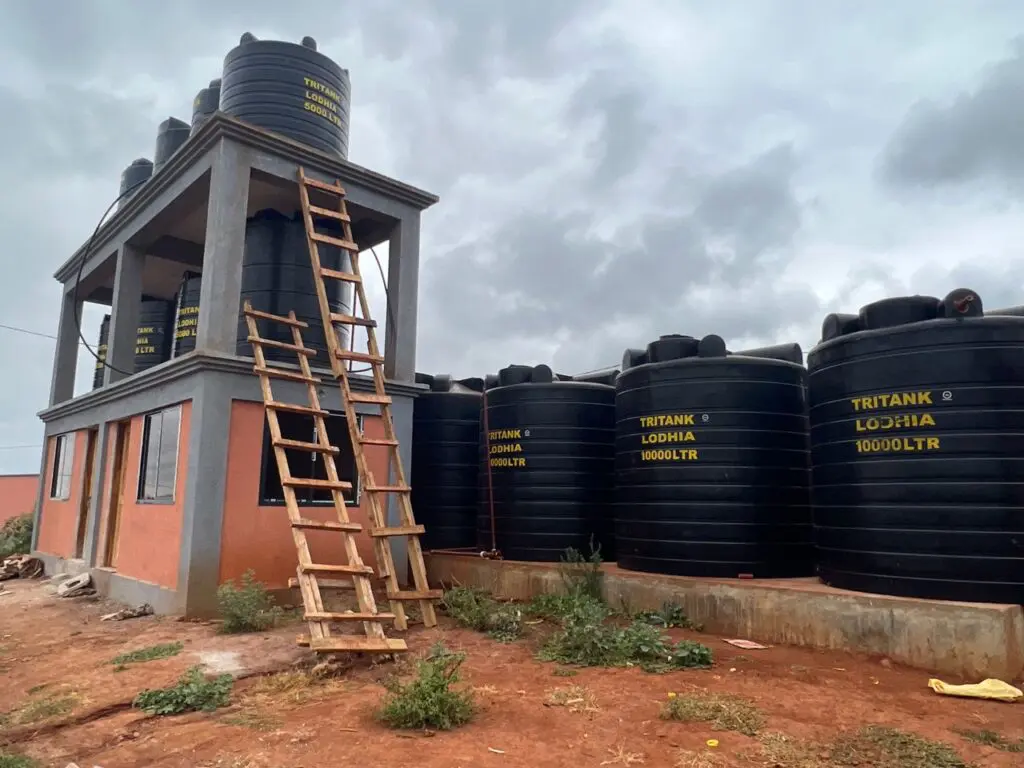
These practices mirror recommendations from agricultural sustainability research, which emphasizes that managing soil-water balance and adopting water-smart practices are essential for maintaining food security under climate change. MGRC’s drip irrigation system conserves scarce water resources while ensuring crops receive adequate moisture—a crucial adaptation in a region where rainfall patterns are becoming increasingly erratic.
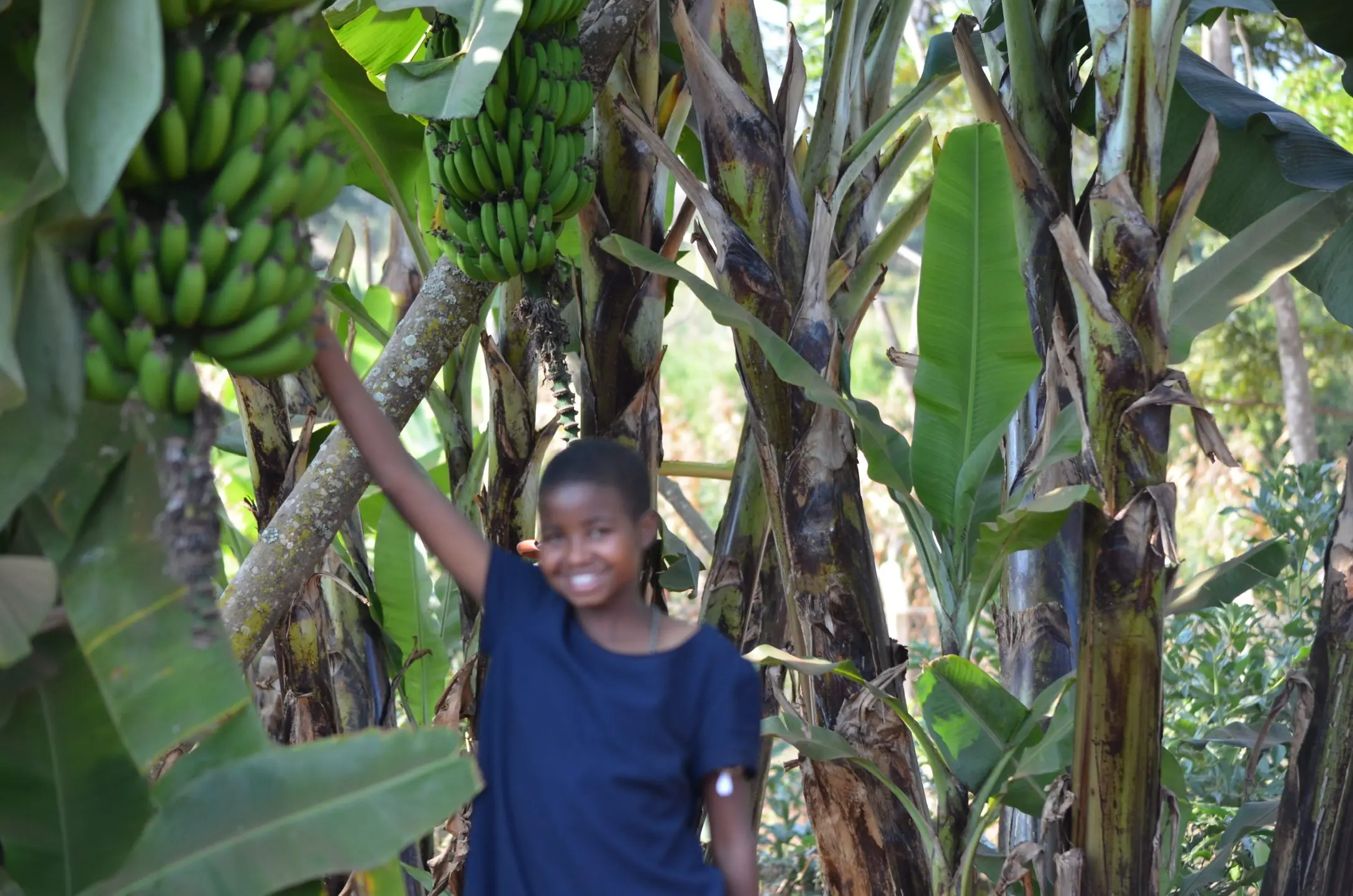
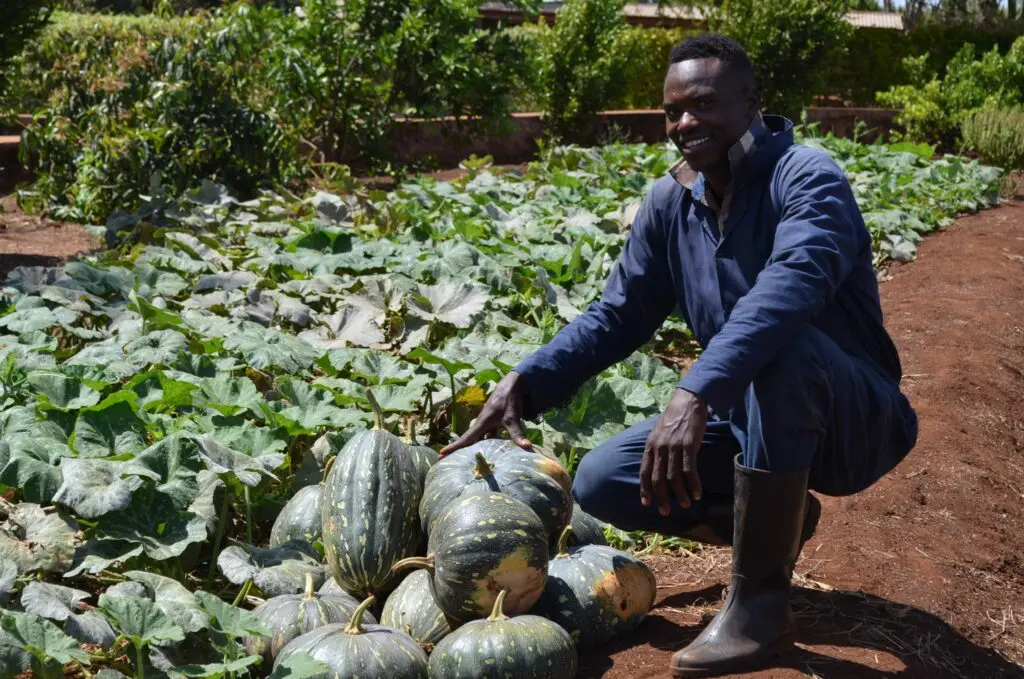
The farm’s 400+ fruit trees serve multiple functions. They provide food, prevent soil erosion, improve water infiltration, and sequester carbon. The new flower and tree nursery generates additional income while beautifying the ecoVillage grounds. In 2024, the farm produced its first coffee, watermelon, and banana harvests, demonstrating successful crop diversification—a key climate adaptation strategy.
Environmental impact meets social mission
The environmental benefits of MGRC’s practices extend far beyond the ecoVillage boundaries. By demonstrating sustainable farming techniques to rescued girls, the organization ensures these practices spread when graduates return to their communities. This knowledge transfer is critical: research shows that climate-smart agriculture technologies, when properly implemented, can produce triple-win outcomes of improved resilience, lower emissions, and better output.
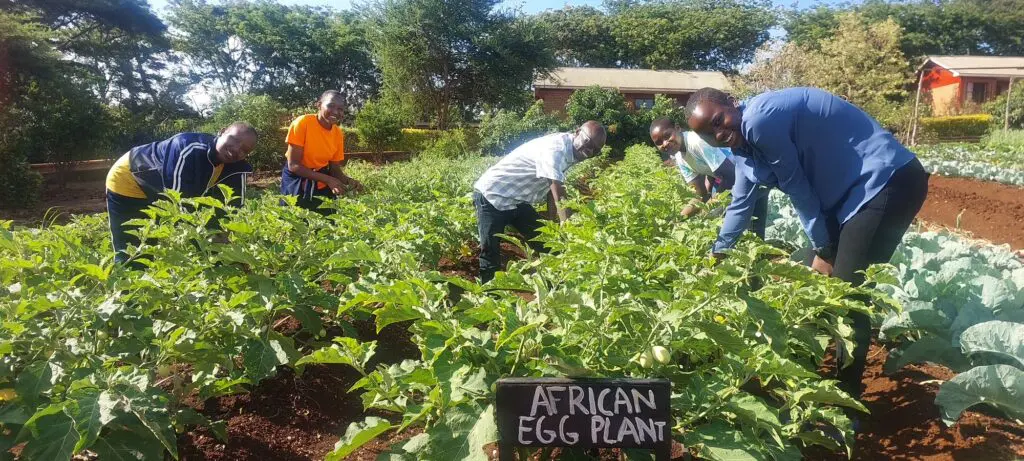
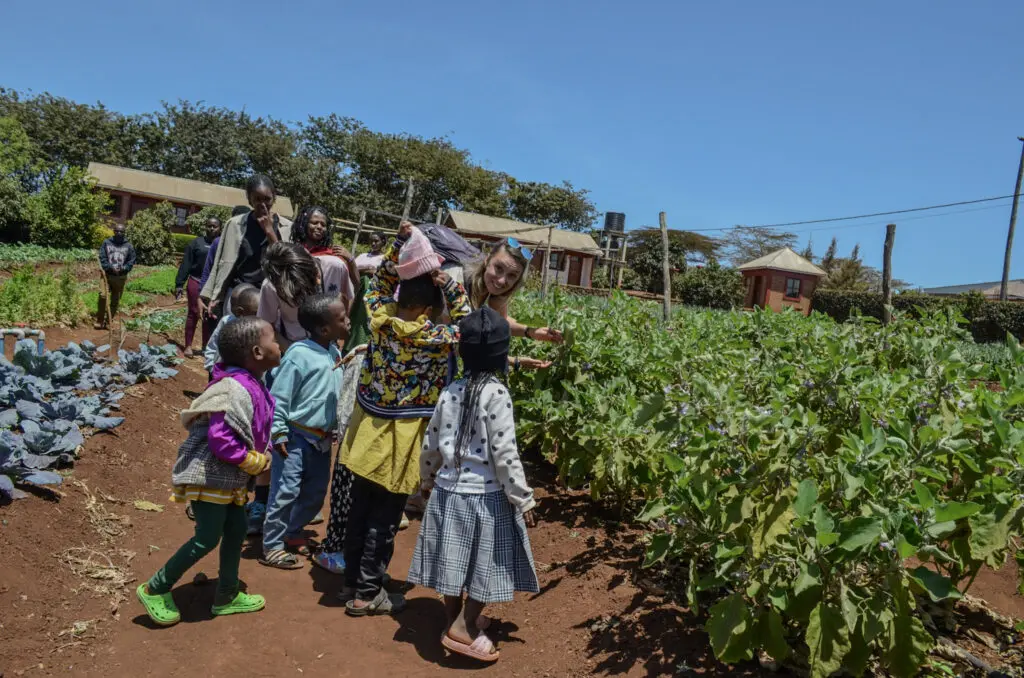
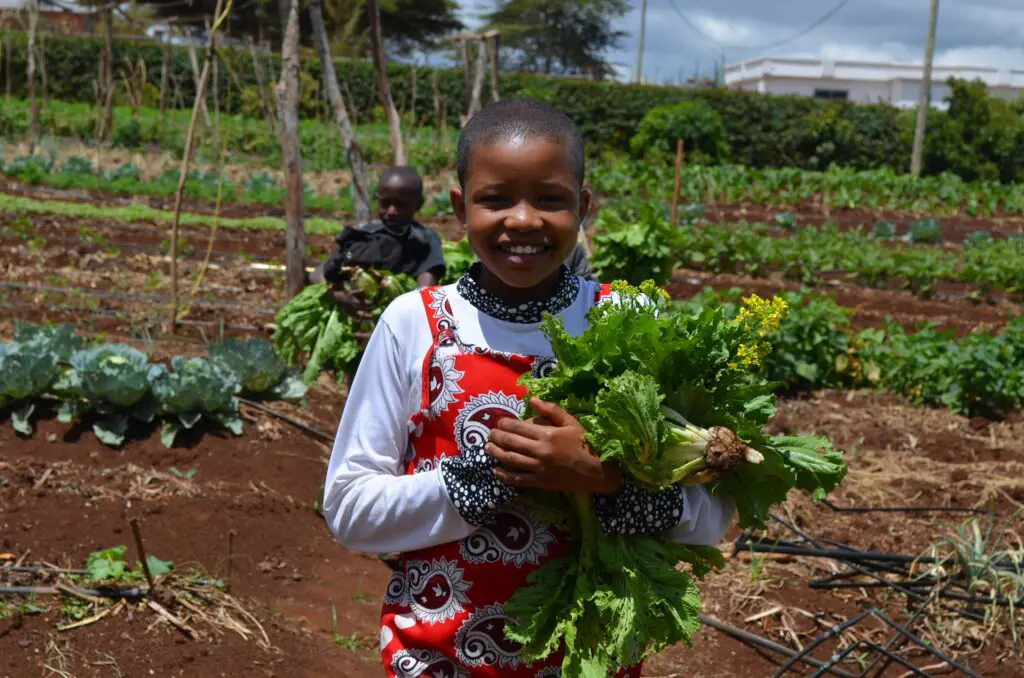
Yet adoption of climate-smart agriculture remains low across Africa despite global recognition of its benefits. MGRC addresses this gap through hands-on education. Girls don’t just learn about sustainable agriculture theoretically—they practice it daily. They tend livestock, maintain gardens, operate irrigation systems, and participate in composting. These practical skills become second nature, ensuring graduates can implement sustainable practices in their own farms and gardens.
“Beyond providing nutritious food, the ecoFarm serves as a vital classroom, teaching animal husbandry, gardening, innovative farming operations, and the importance of daily chores.” — MGRC 2024 Annual Report
The health implications of this environmental approach are substantial. Nutritious, chemical-free food from the ecoFarm contributes to improved health outcomes for the girls. Research indicates that better nutrition during adolescence supports physical development, cognitive function, and reproductive health. For girls who often arrive at MGRC malnourished and experiencing health issues, consistent access to high-quality food represents a crucial intervention.
Economic sustainability through enterprise
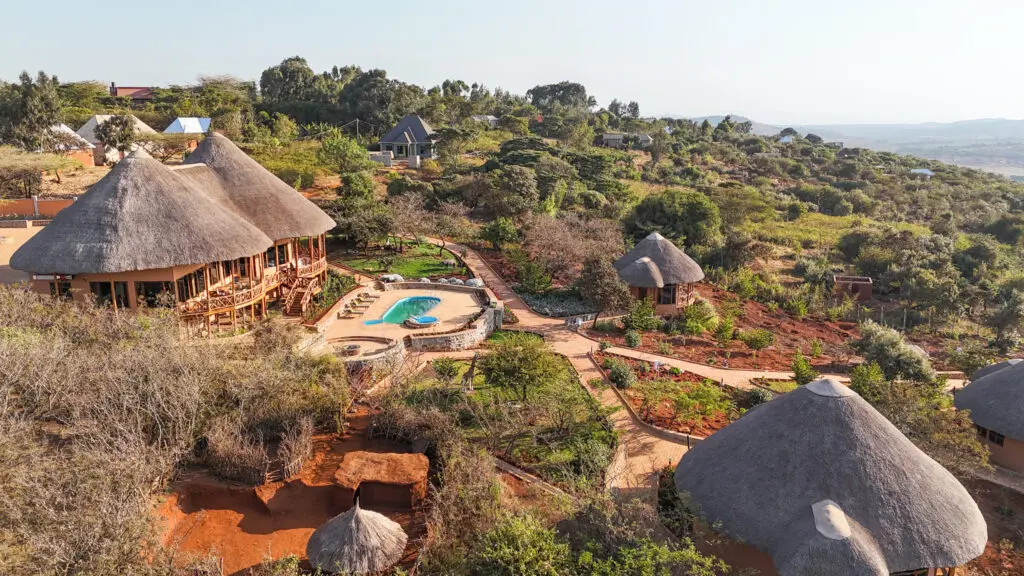
The ecoVillage model extends beyond the farm to include the Maasai ecoLodge and Culture Center—social enterprises that will generate operational revenue while minimizing environmental impact. The ecoLodge, built using eco-friendly materials and practices, will host tourists visiting Lake Manyara and Ngorongoro Crater. Guest fees will fund MGRC’s operations, reducing dependence on donations while creating local employment.
This enterprise approach addresses a critical challenge in sustainable development: ensuring that conservation and social programs can maintain themselves financially. Too many well-intentioned projects falter when initial funding runs out. By generating its own operational revenue, MGRC creates long-term stability that benefits both the environment and the vulnerable girls it serves.
The Culture Center adds another dimension. By employing local Maasai community members to teach traditional skills—beadwork, boma construction, weapon-making—the center preserves cultural knowledge while creating income opportunities. Visitors gain authentic cultural experiences, locals receive fair compensation for sharing their expertise, and traditional practices are documented and passed to younger generations, including MGRC’s girls.
This integration of traditional knowledge with modern sustainable practices reflects growing recognition that indigenous and local knowledge systems offer valuable insights for climate adaptation. Traditional Maasai understanding of livestock management, water conservation, and seasonal patterns complement modern techniques like drip irrigation and crop rotation.
Measuring environmental and social returns
The quantifiable results demonstrate this model’s effectiveness. In 2024, MGRC’s ecoFarm produced $62,152 worth of food while spending only $29,160, saving $32,992 in food costs. The farm supplied 95% of protein needs, 90% of vegetables, and 50% of fruit for over 70 people. The dairy operation pasteurizes milk and produces butter, reducing reliance on purchased cooking oil.
From an environmental perspective, these numbers represent significant resource efficiency. By producing food locally using sustainable methods, MGRC minimizes transportation emissions, eliminates synthetic chemical inputs, builds soil health, conserves water, and maintains biodiversity. The system produces abundant food while actively improving rather than depleting natural resources.
The social returns compound over time. Research shows that food stability—consistent access to adequate nutrition—is essential for children’s physical and cognitive development. MGRC’s farm ensures that rescued girls receive nutritious meals regardless of external market fluctuations or climate shocks that might disrupt food supplies elsewhere in the region.
Moreover, the practical education girls receive has measurable economic value. Agricultural skills, particularly in climate-resilient and sustainable practices, become increasingly valuable as traditional farming methods struggle under climate change pressure. Vocational training in hospitality and food service prepares girls for employment in Tanzania’s growing tourism sector. Business and entrepreneurship education enables self-employment. These diverse skill sets create multiple pathways to economic independence.
Scaling the model
The success of MGRC’s ecoVillage raises important questions about scalability. Research indicates that by 2050, Africa will need to increase food production substantially to feed a population expected to reach 2.8 billion. Traditional agricultural expansion—clearing more land, using more water, applying more chemicals—is neither environmentally sustainable nor economically viable in many contexts.
MGRC’s intensive, integrated approach offers an alternative. On just 10 acres, the organization feeds over 70 people using sustainable methods while training the next generation of agricultural practitioners. If this model were replicated across Africa’s rural communities, it could significantly enhance food security while protecting environmental resources.
The economic sustainability aspect is particularly crucial for scaling. Development organizations often struggle to maintain programs long-term, but MGRC’s social enterprise approach creates self-sustaining funding. The ecoLodge will eventually generate sufficient revenue to cover operational costs, allowing donations to expand services—rescuing more girls, improving facilities, enhancing educational programs—rather than simply maintaining existing operations.
This financial sustainability model could be adapted to other contexts. Social enterprises that generate revenue while advancing social and environmental goals offer pathways to long-term impact that traditional charity models cannot match.
Climate resilience through integration
Perhaps most importantly, MGRC’s ecoVillage demonstrates climate resilience in action. As extreme weather events become more frequent and severe across Africa, integrated systems that combine multiple food sources, water conservation, soil health, and economic diversification create buffers against climate shocks.
Research projects that climate change will cause crop yields across Sub-Saharan Africa to decrease by 10% under 2°C of warming and 20% beyond that threshold. Rain-fed agriculture, which dominates the region, faces particular vulnerability. MGRC’s diversified approach—combining crops, livestock, trees, and aquaculture-ready infrastructure—ensures that if one component fails, others can compensate.
The girls learning these integrated systems are preparing for a climate-changed future. They understand that resilience comes not from maximizing single crop yields but from building diverse, flexible, adaptive systems. They know how to conserve water, build soil health, manage livestock sustainably, and generate income from multiple sources. These capabilities position them to thrive despite climate uncertainties.
A model for the future
As the global community grapples with intersecting crises of climate change, food insecurity, poverty, and gender inequality, models like MGRC’s ecoVillage offer tangible solutions. They demonstrate that environmental sustainability and social impact are not competing priorities but mutually reinforcing goals.
The 73 girls currently benefiting from this system represent just a fraction of those who could benefit from similar approaches. But they also represent proof of concept. They show that with thoughtful design, integrated systems can produce abundant food, build skills, generate income, protect the environment, and transform lives simultaneously.
The question facing the development community is whether these proven approaches will be scaled to match the magnitude of need. MGRC has shown what’s possible on 10 acres. Imagine what could be achieved if these principles were applied across Africa’s rural landscapes—not as isolated projects but as an interconnected network of sustainable, self-sufficient communities.
The ecoVillage model doesn’t just rescue girls from immediate harm. It equips them to become environmental stewards, food producers, entrepreneurs, and educators who can spread sustainable practices throughout their communities. In doing so, it creates ripple effects that extend far beyond its physical boundaries, contributing to climate resilience, food security, and women’s empowerment across the region.
As Africa faces the compounding challenges of the 21st century, solutions must be equally comprehensive. MGRC’s ecoVillage demonstrates that when environmental sustainability, social impact, and economic viability are designed to work together from the start, the results can be transformative. The model is working. The girls are thriving. The farm is producing. The environment is improving. And the foundation is being laid for change that will echo through generations.

Post a comment